When reading a text, it’s essential to consider the author’s purpose, as it provides insight into their intentions, biases, and message. The author’s purpose can be to inform, persuade, entertain, or educate, and understanding this purpose can significantly enhance reading comprehension and critical thinking skills. By recognizing the author’s purpose, readers can better analyze the text, identify potential biases, and make informed decisions about the information presented.
In educational settings, teaching students to identify the author’s purpose is a crucial skill that can benefit them throughout their academic careers. By introducing this concept early on, educators can help students develop a deeper understanding of texts and improve their overall reading comprehension. One effective way to teach this skill is by using an author’s purpose printable anchor chart, which provides a visual representation of the different purposes and helps students to quickly identify and analyze the author’s intent.
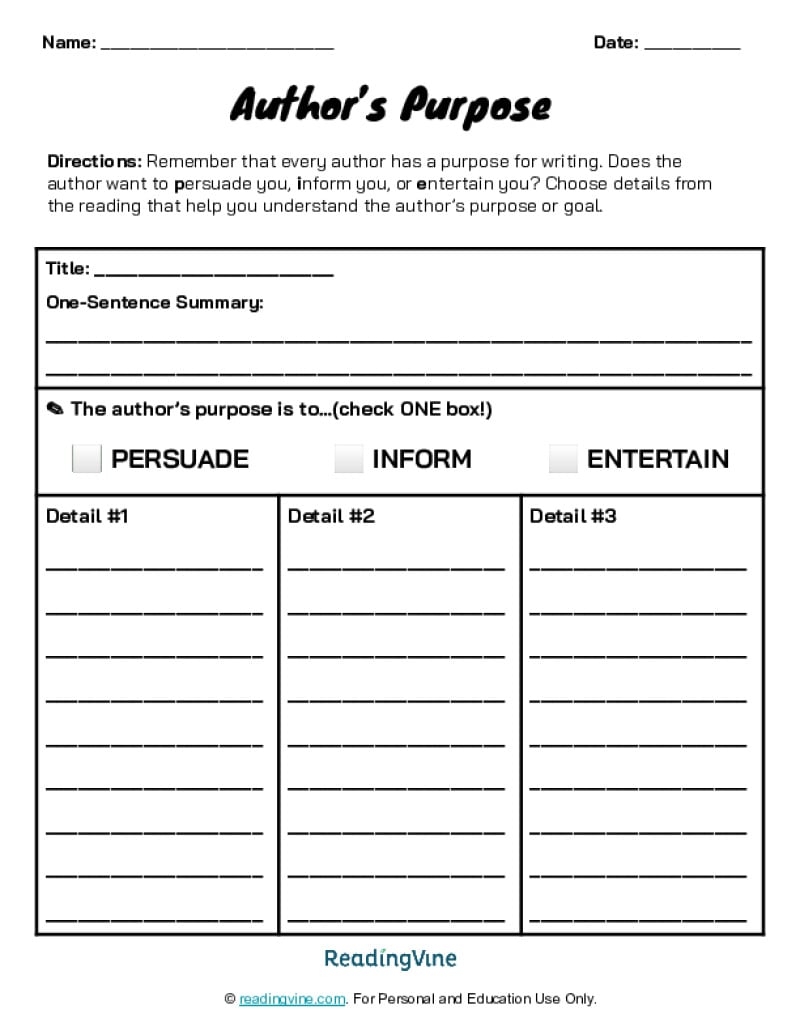
Author S Purpose Anchor Chart ReadingVine
Understanding the Author’s Purpose
Understanding the author’s purpose is a fundamental aspect of reading comprehension, as it allows readers to grasp the underlying message and intentions of the text. By recognizing the author’s purpose, readers can better evaluate the information presented, identify potential biases, and make informed decisions. An author’s purpose printable anchor chart can be a valuable tool in this process, providing a clear and concise visual representation of the different purposes and helping students to develop a deeper understanding of the text.
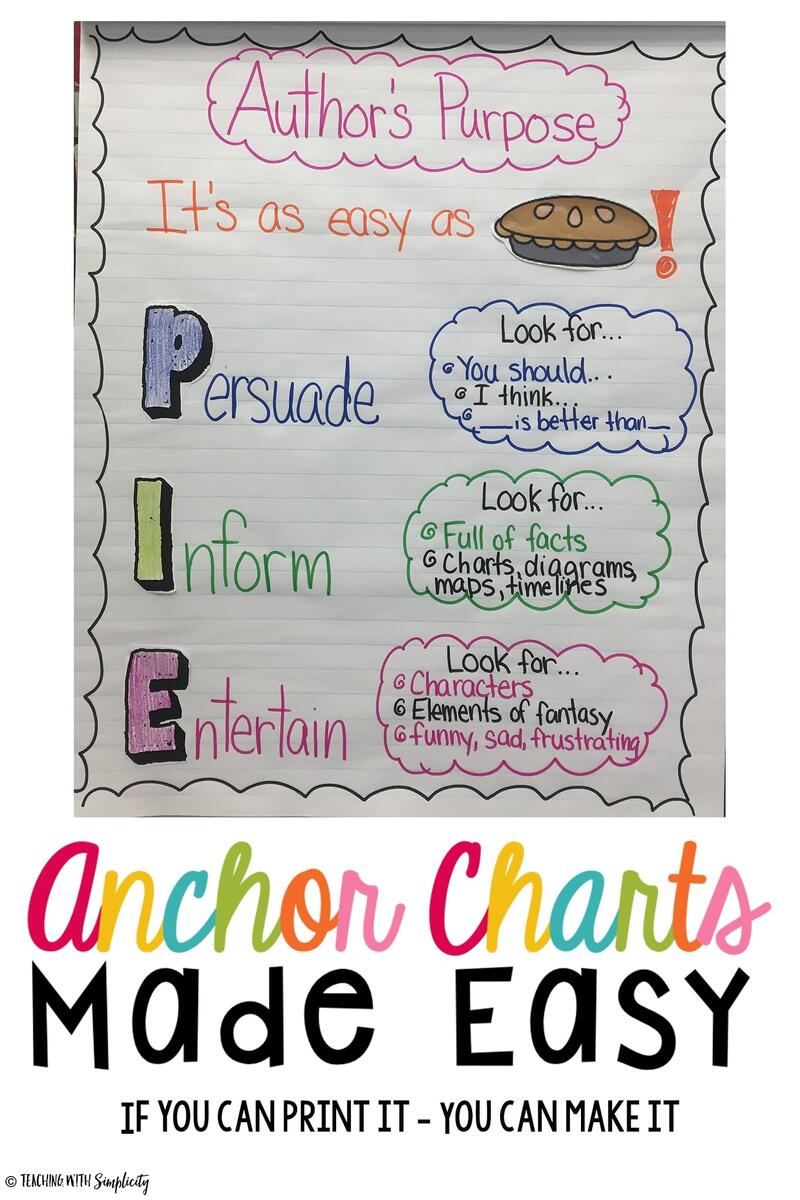
Author S Purpose Anchor Chart Mandy Neal
Benefits of Using an Anchor Chart
Using an anchor chart to teach the author’s purpose offers several benefits, including improved reading comprehension, enhanced critical thinking skills, and increased student engagement. By providing a visual representation of the different purposes, an anchor chart can help students to quickly identify and analyze the author’s intent, making it easier for them to understand and evaluate the text. Additionally, an anchor chart can be a useful reference tool, allowing students to revisit and review the different purposes as needed.
Creating an Effective Author’s Purpose Printable Anchor Chart
Creating an effective author’s purpose printable anchor chart requires careful consideration of the different purposes and how they can be visually represented. The chart should be clear, concise, and easy to understand, with each purpose clearly defined and illustrated. The chart can include examples of texts that demonstrate each purpose, as well as guiding questions to help students analyze and evaluate the author’s intent. By creating a well-designed anchor chart, educators can provide students with a valuable tool to enhance their reading comprehension and critical thinking skills.
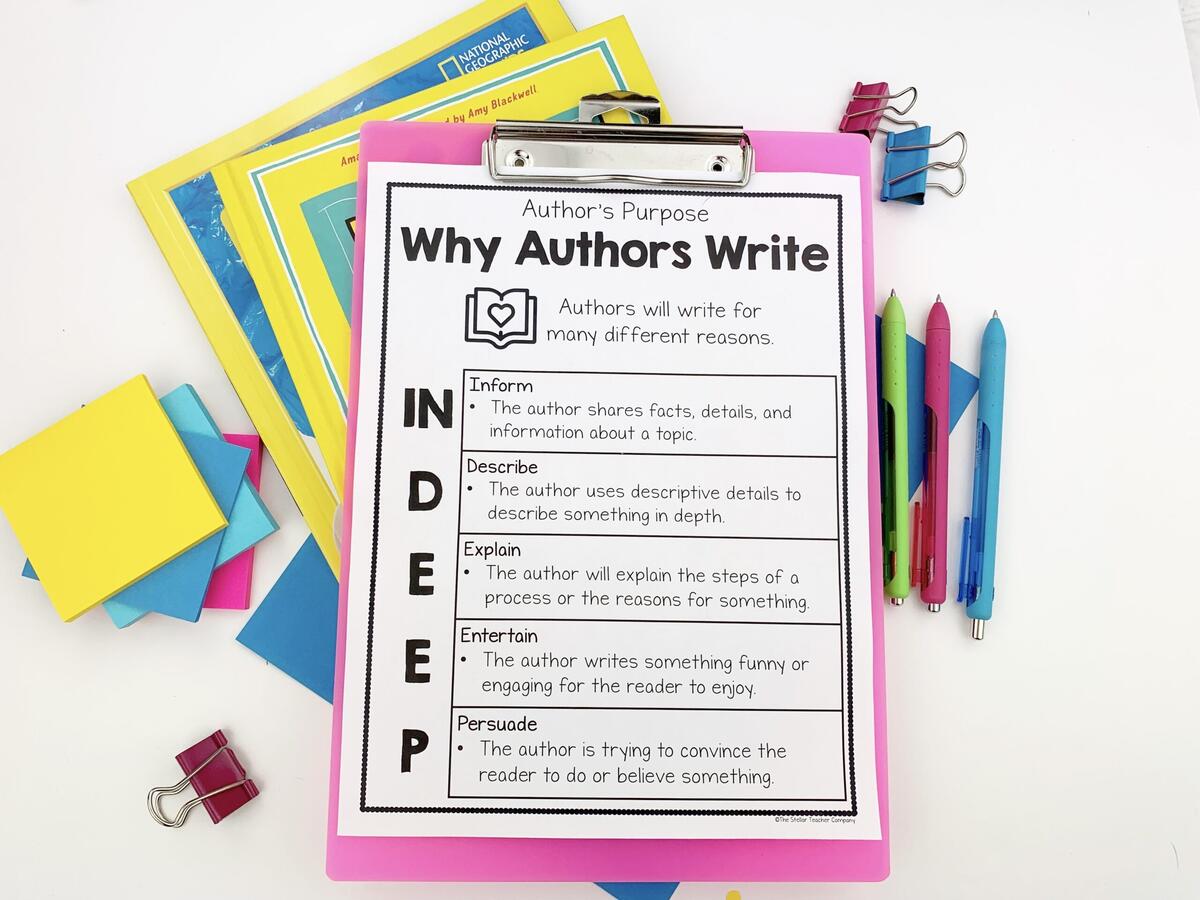
7 Author S Purpose Anchor Charts For Upper Elementary
By incorporating an author’s purpose printable anchor chart into their teaching practices, educators can help students develop a deeper understanding of texts and improve their overall reading comprehension. The chart can be used in a variety of educational settings, from elementary school to college, and can be adapted to suit the needs of different students and curriculum. By providing a clear and concise visual representation of the author’s purpose, the anchor chart can help students to better analyze and evaluate texts, making it an essential tool for any reading comprehension program.
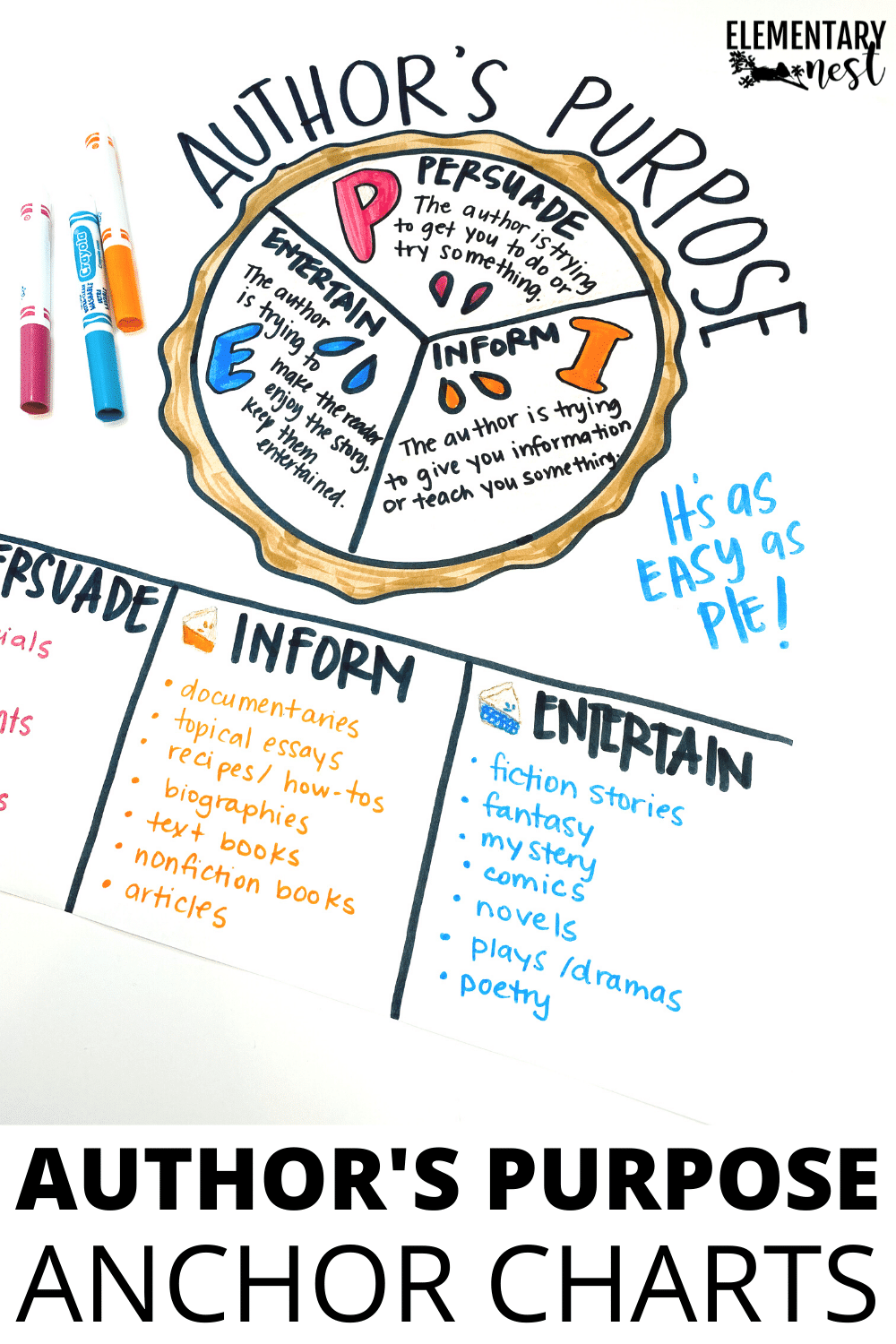
5 Author S Purpose Anchor Charts To Make Teaching Effortless
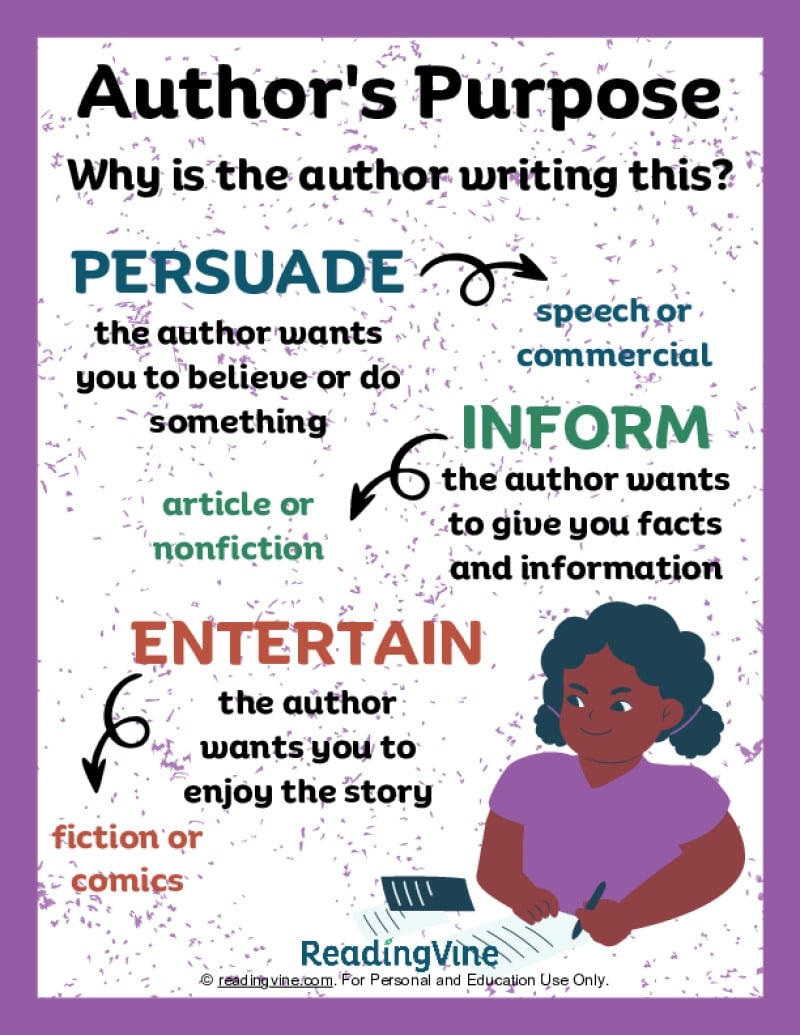
Author S Purpose Anchor Chart ReadingVine