Maintaining healthy blood pressure is crucial for overall well-being. High blood pressure, also known as hypertension, can lead to serious health issues such as heart disease, stroke, and kidney disease. On the other hand, low blood pressure can cause dizziness, fainting, and inadequate blood flow to vital organs. To manage blood pressure effectively, it’s essential to monitor and track it regularly. A printable blood pressure range chart can be a valuable tool in this endeavor.
A blood pressure range chart is a simple yet effective way to keep track of your blood pressure readings. It typically consists of a table or graph with columns for date, time, systolic pressure, diastolic pressure, and pulse rate. By plotting your readings on the chart, you can visualize your blood pressure trends over time and identify any potential issues. This information can be shared with your healthcare provider to make informed decisions about your treatment plan.
Free Printable Blood Pressure Charts 10 Types
Understanding Blood Pressure Ranges
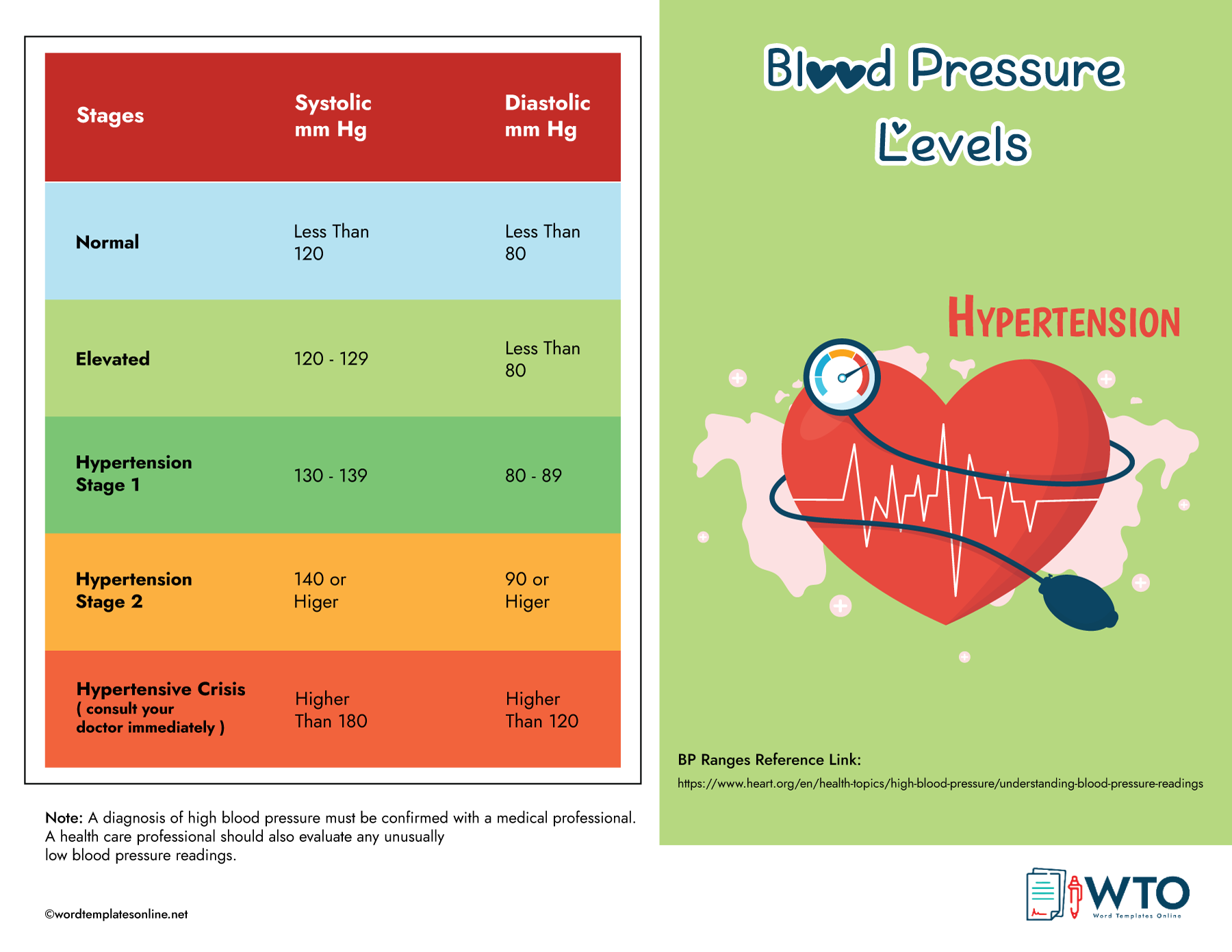
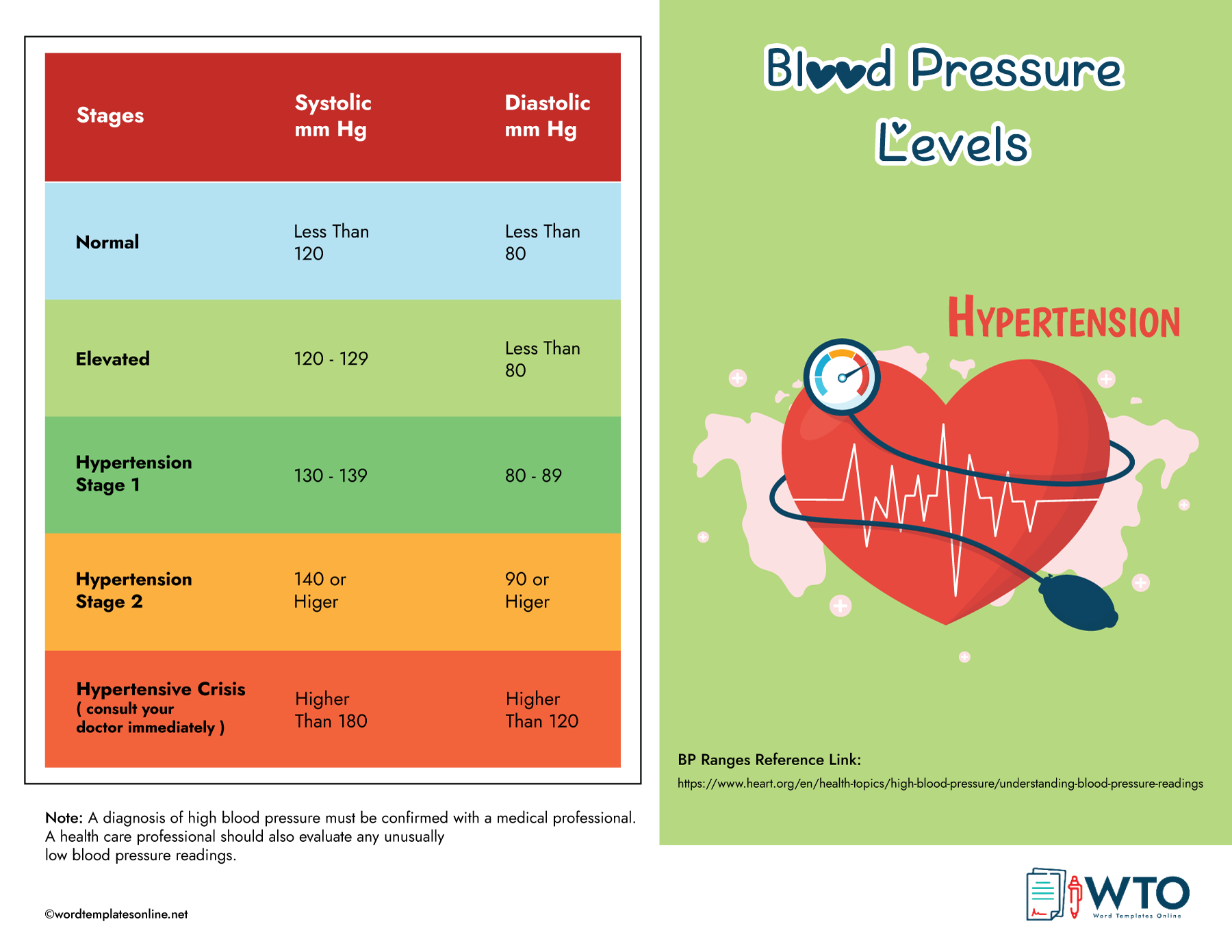
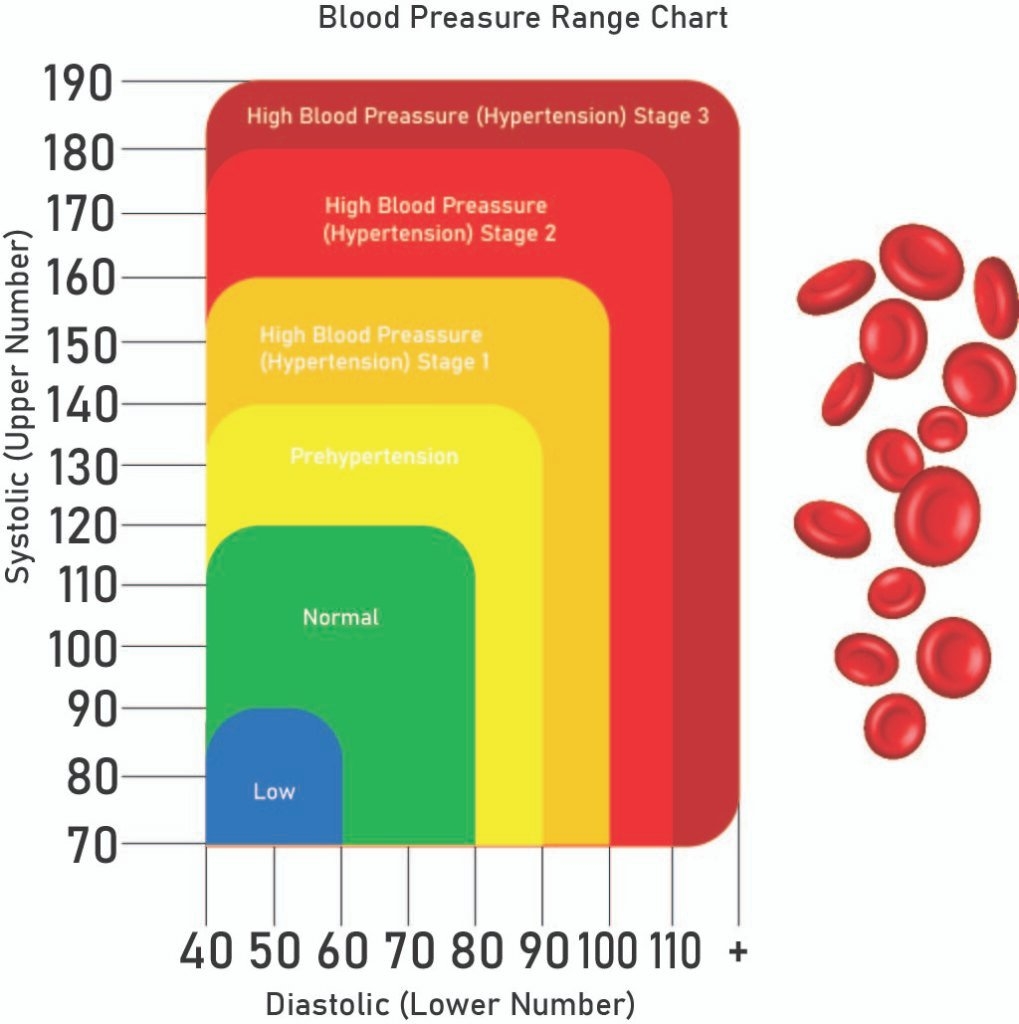
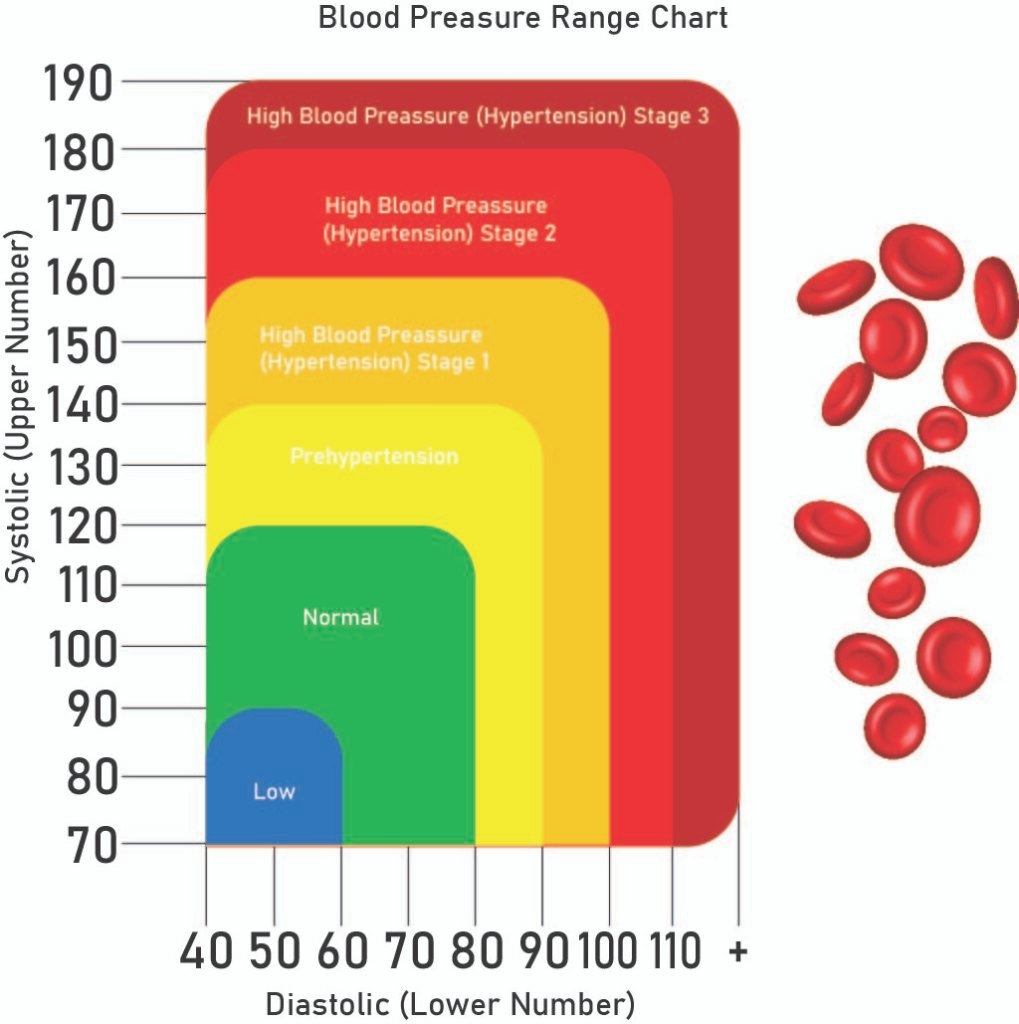
Understanding blood pressure ranges is vital to interpreting your readings correctly. The American Heart Association defines normal blood pressure as a systolic pressure less than 120 mmHg and a diastolic pressure less than 80 mmHg. Elevated blood pressure is defined as a systolic pressure between 120-129 mmHg and a diastolic pressure less than 80 mmHg. Stage 1 hypertension is defined as a systolic pressure between 130-139 mmHg or a diastolic pressure between 80-89 mmHg. Stage 2 hypertension is defined as a systolic pressure of 140 mmHg or higher or a diastolic pressure of 90 mmHg or higher.
Free Printable Blood Pressure Charts 10 Types
How to Use a Printable Blood Pressure Range Chart
Using a printable blood pressure range chart is straightforward. Start by printing out the chart and attaching it to a clipboard or placing it in a binder. Each time you take your blood pressure, record the date, time, systolic pressure, diastolic pressure, and pulse rate on the chart. Be sure to use the same unit of measurement (e.g., mmHg) and record your readings at the same time each day. You can also add notes about any factors that may have affected your reading, such as exercise, stress, or medication.
Benefits of Tracking Your Blood Pressure
Tracking your blood pressure regularly can have numerous benefits. By monitoring your blood pressure, you can identify any changes or trends that may indicate a potential health issue. This information can be used to adjust your lifestyle or treatment plan to prevent or manage conditions such as hypertension. Additionally, tracking your blood pressure can help you stay motivated to maintain a healthy lifestyle, including regular exercise, a balanced diet, and stress management. By taking control of your blood pressure, you can reduce your risk of developing serious health problems and improve your overall quality of life.
What Do Blood Pressure Readings Mean Elite Medical Training
In conclusion, a printable blood pressure range chart is a simple yet effective tool for managing your blood pressure. By understanding blood pressure ranges, using the chart correctly, and tracking your readings regularly, you can take control of your health and reduce your risk of developing serious health issues. Remember to consult with your healthcare provider if you have any concerns about your blood pressure or if you need help creating a personalized treatment plan.
What Do Blood Pressure Readings Mean Elite Medical Training
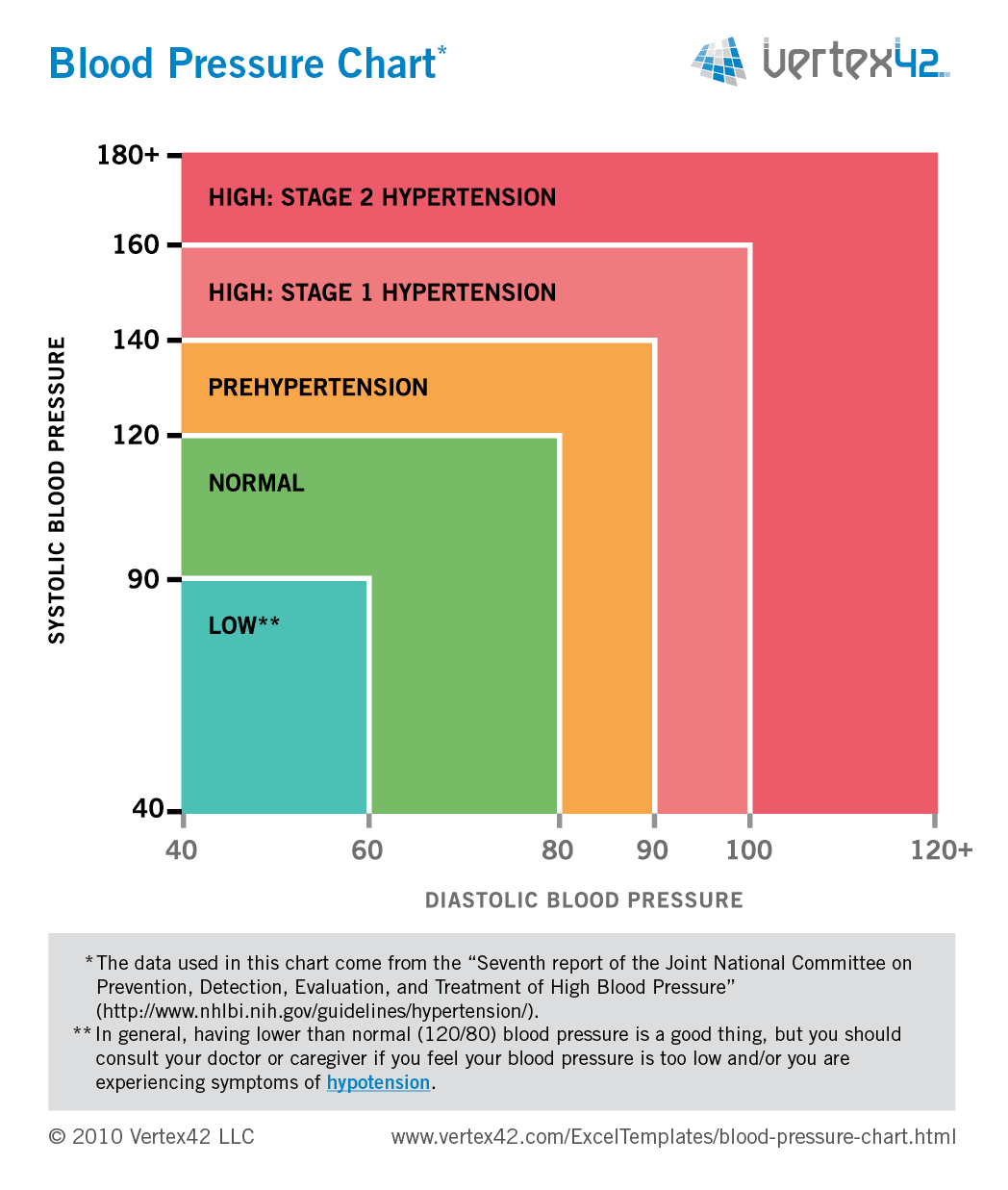
Free Blood Pressure Chart And Printable Blood Pressure Log