Bloom’s Taxonomy is a widely used framework in education that categorizes learning objectives into six levels of cognitive complexity. Developed by Benjamin Bloom and his colleagues in the 1950s, this taxonomy has become a cornerstone of instructional design, helping teachers create lessons that promote higher-order thinking and deeper understanding. With the rise of digital resources, educators can now access a Bloom’s Taxonomy chart printable, making it easier to integrate this framework into their teaching practices.
The Bloom’s Taxonomy chart printable is a valuable tool for educators, providing a visual representation of the six cognitive levels: Remembering, Understanding, Applying, Analyzing, Evaluating, and Creating. By using this chart, teachers can develop lesson plans that cater to different learning styles and abilities, ensuring that students are appropriately challenged and supported. Moreover, the chart helps educators assess student learning and identify areas where students may need additional support or enrichment.
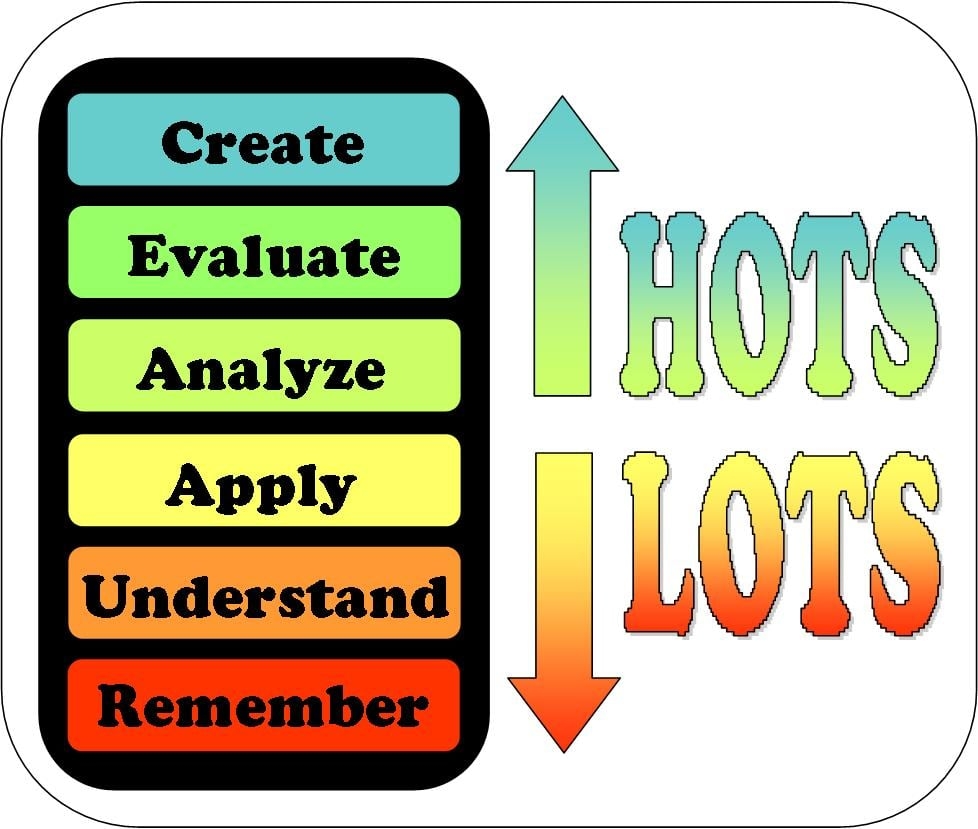
More Than English Teaching Language Content To ELLs Bloom S Revised Taxonomy
Understanding Bloom’s Taxonomy
Understanding Bloom’s Taxonomy is crucial for effective lesson planning. The taxonomy provides a clear framework for educators to design learning objectives that align with the six cognitive levels. By recognizing the differences between these levels, teachers can create assessments that accurately measure student learning and understanding. For instance, a lesson focused on the ‘Remembering’ level might involve recalling facts, while a lesson at the ‘Evaluating’ level would require students to make judgments based on evidence.
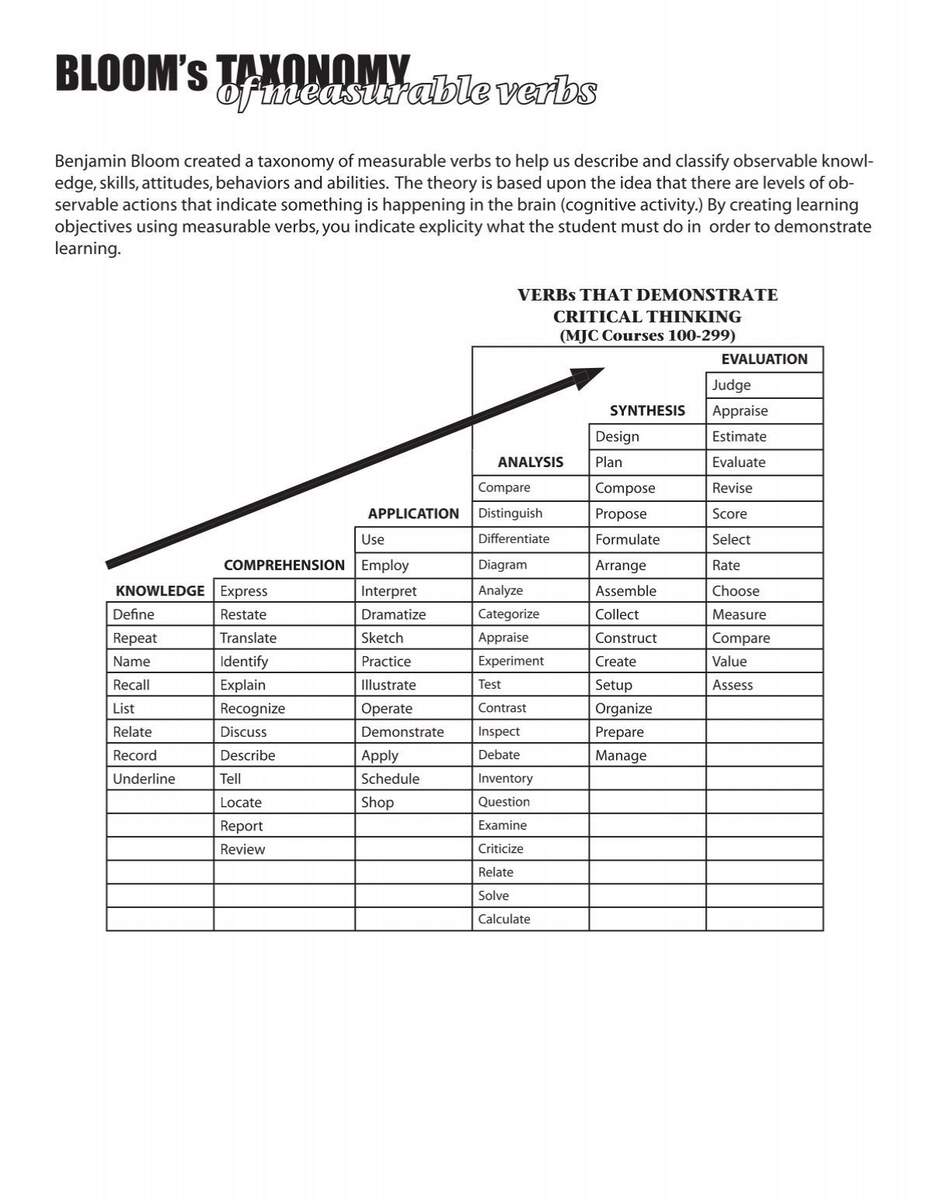
BLOOM S TAXONOMY Of Measurable Verbs
Benefits of Using a Bloom’s Taxonomy Chart
The benefits of using a Bloom’s Taxonomy chart are numerous. One of the primary advantages is that it helps educators create a balanced curriculum, ensuring that lessons cover a range of cognitive levels. This approach promotes deeper learning, as students are encouraged to move beyond mere recall and develop critical thinking skills. Additionally, the chart facilitates collaboration among teachers, as it provides a shared language and framework for discussing learning objectives and assessments.
Creating Effective Lessons with Bloom’s Taxonomy
Creating effective lessons with Bloom’s Taxonomy involves more than just understanding the different cognitive levels. Educators must also consider how to design engaging and challenging activities that align with these levels. The Bloom’s Taxonomy chart printable can be a valuable resource in this process, providing a quick reference guide for developing lesson plans. By using this chart, teachers can ensure that their lessons are comprehensive, covering a range of cognitive levels and promoting deeper learning and understanding.
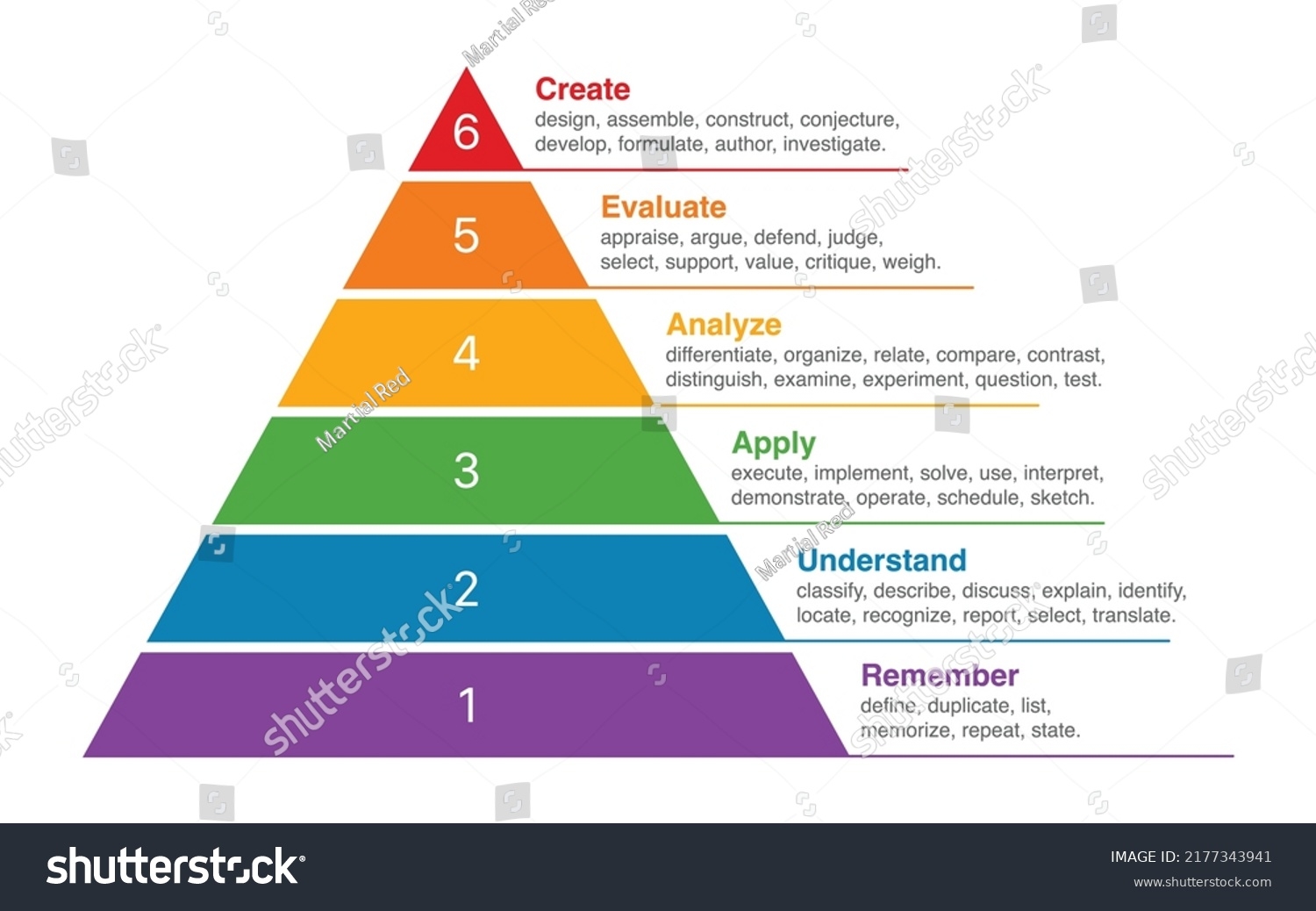
43 Blooms Taxonomy Model Royalty Free Images Stock Photos Pictures Shutterstock
In conclusion, the Bloom’s Taxonomy chart printable is an indispensable tool for educators, providing a framework for creating engaging and effective lessons. By understanding the different cognitive levels and using the chart to design learning objectives and assessments, teachers can promote deeper learning and help students achieve their full potential. Whether you’re a seasoned educator or just starting your teaching career, incorporating Bloom’s Taxonomy into your practice can have a profound impact on student learning and outcomes.
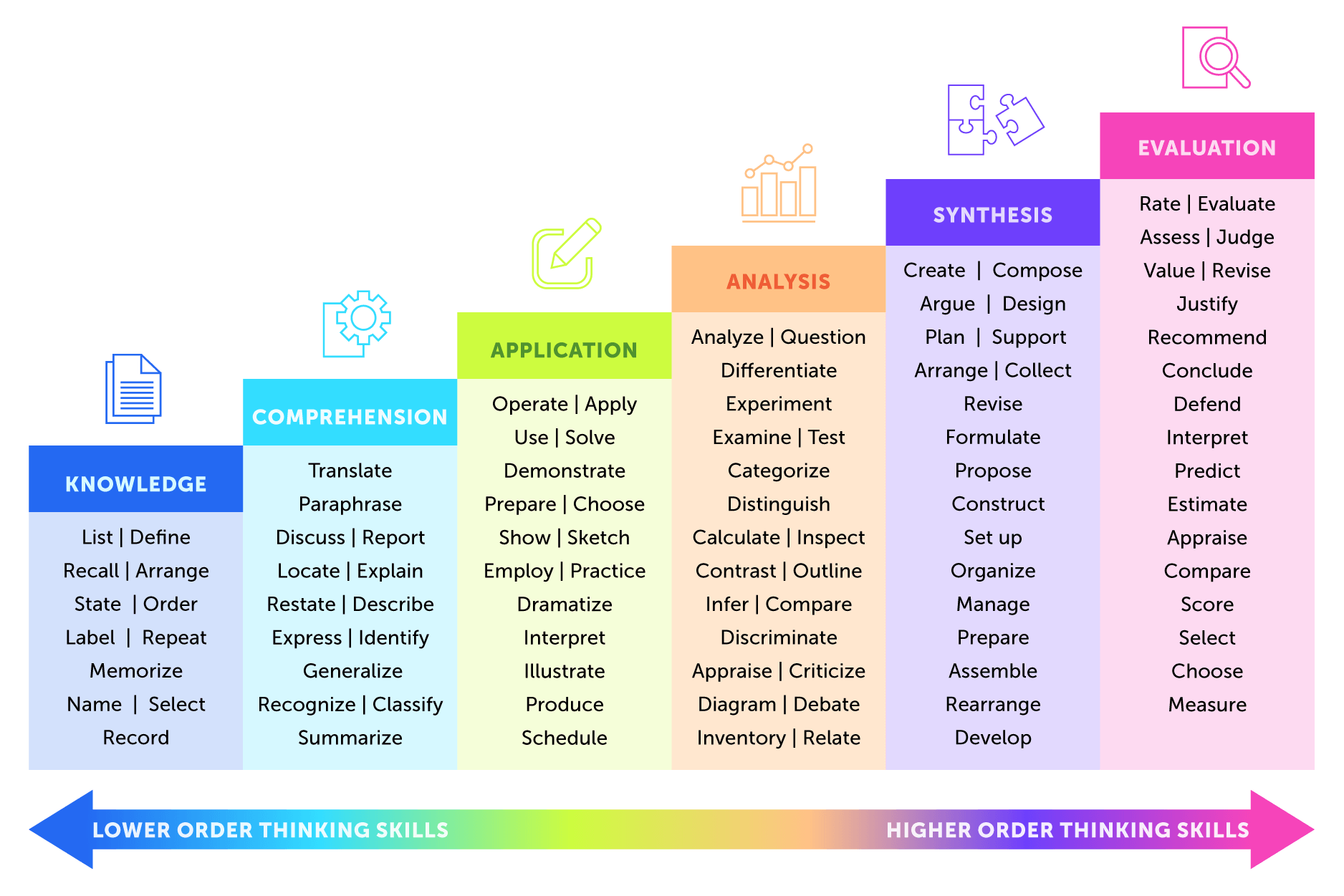
Bloom S Taxonomy For Effective Learning Verbs For Objectives
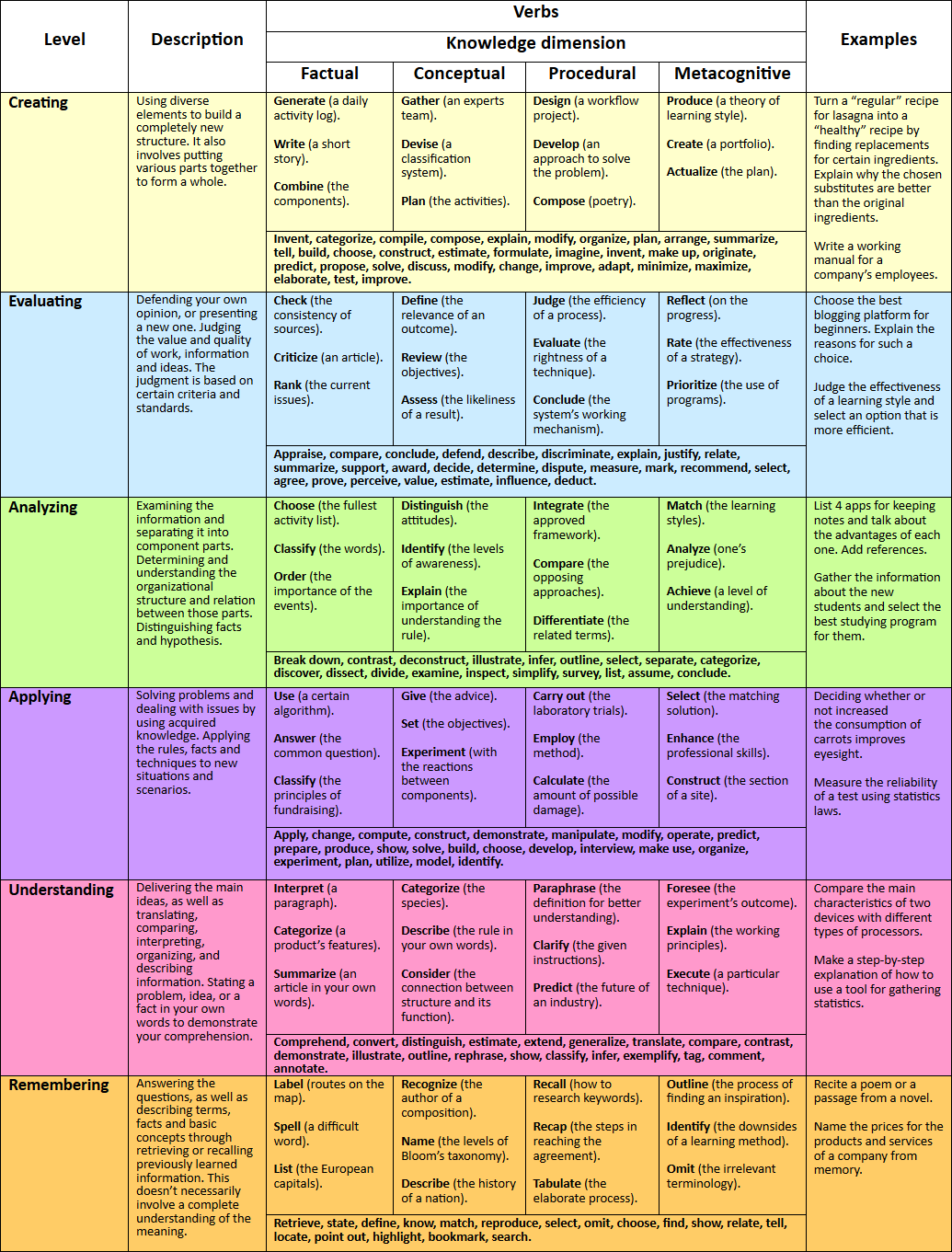
Bloom S Taxonomy 2025 Verbs Chart How To Use This All