Growing a successful vegetable garden requires more than just planting seeds and watering them. One often overlooked aspect of gardening is the relationship between different plants. Some plants, when placed together, can enhance each other’s growth, deter pests, and even improve flavor. This is known as companion planting, a technique that has been used by gardeners for centuries to create a balanced and thriving garden ecosystem.
Companion planting is based on the idea that certain plants can benefit from being near others, while some should be kept apart. For example, the ‘Three Sisters’ method of planting corn, beans, and squash together is a classic example of companion planting. The corn provides a structure for the beans to climb, while the beans fix nitrogen in the soil, and the squash spreads its large leaves to shade the soil, preventing weeds from growing. This symbiotic relationship allows for a more diverse and resilient garden.
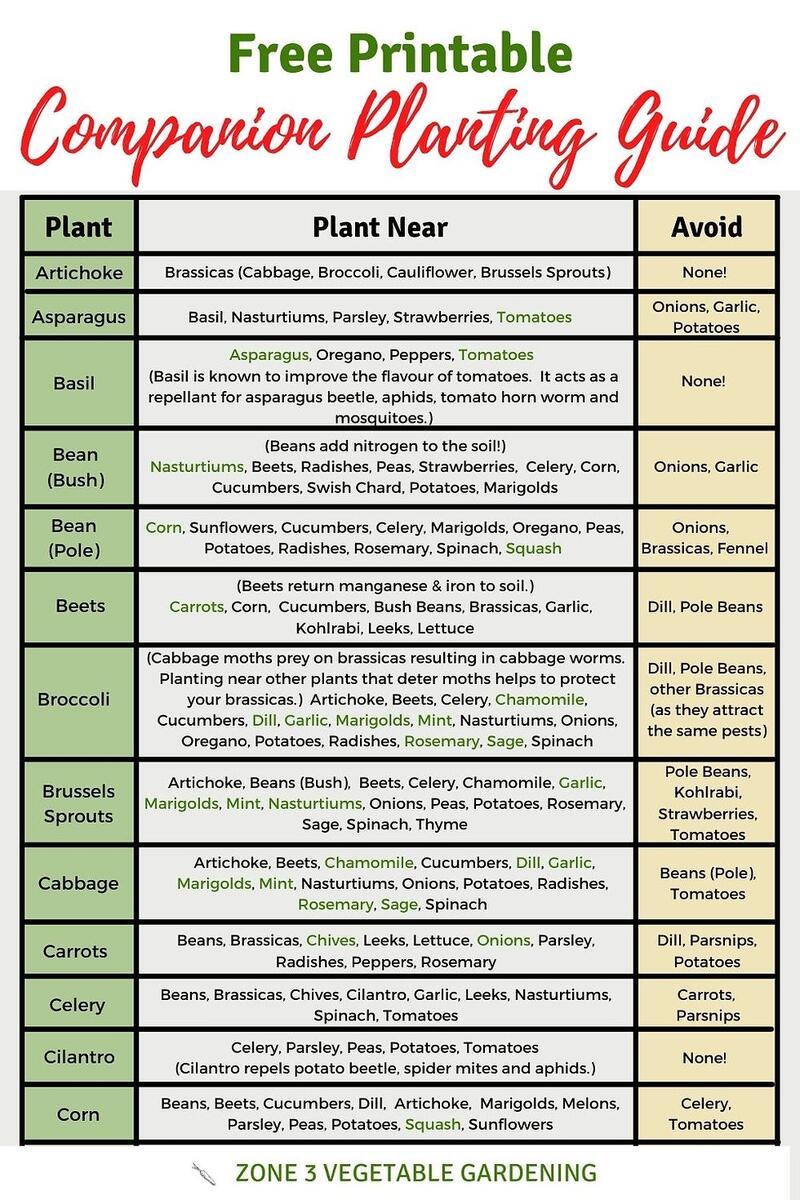
Free Printable Companion Planting Chart
What is Companion Planting?
Companion planting is a simple yet effective way to improve the health and productivity of your garden. By choosing the right combinations of plants, you can reduce the need for pesticides and fertilizers, and create a more sustainable gardening practice. But with so many different plants to choose from, it can be overwhelming to decide which ones to pair together. That’s where a companion planting chart comes in – a handy tool that provides a quick and easy reference guide to the best plant combinations.
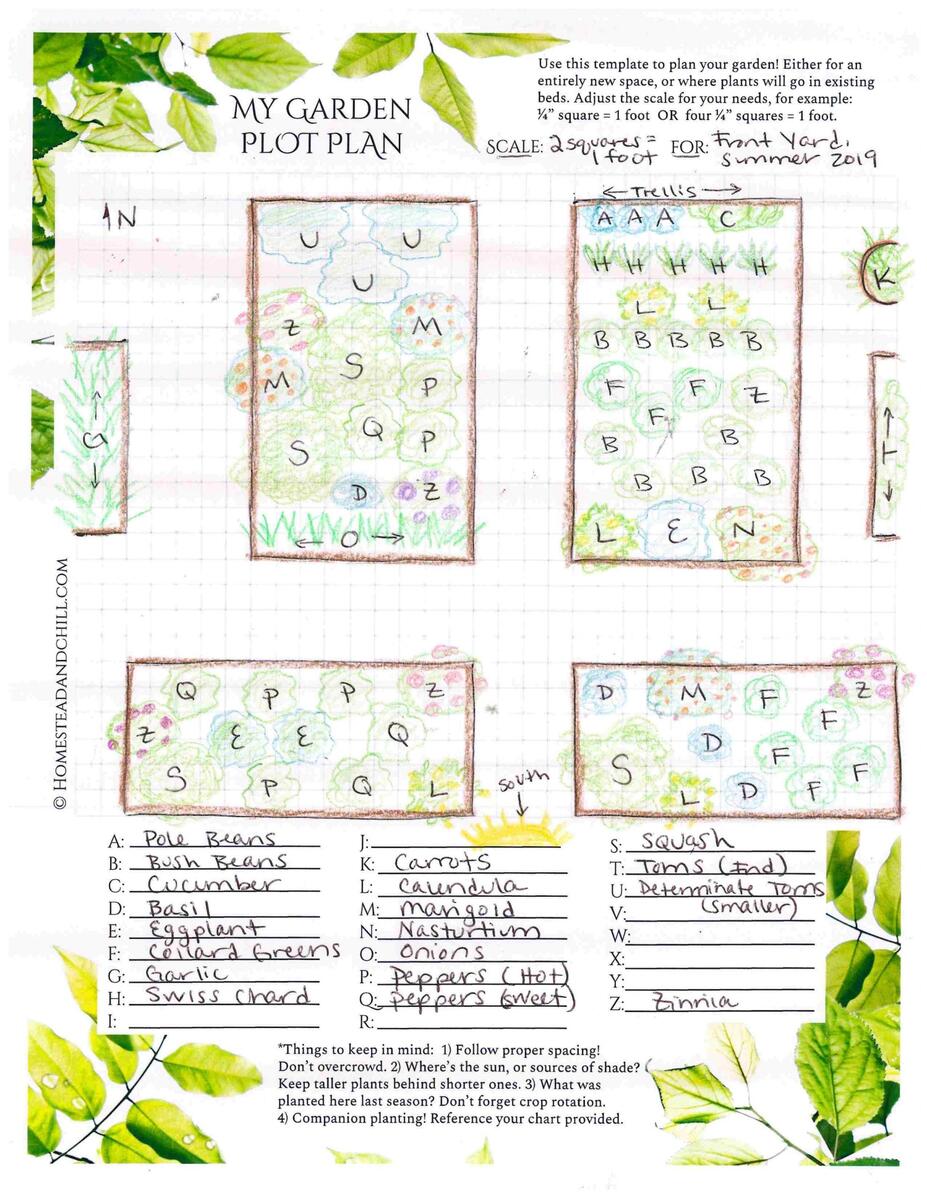
Garden Companion Planting Chart Plans And Benefits Homestead And Chill
Benefits of Companion Planting
The benefits of companion planting are numerous. Not only can it help to deter pests and diseases, but it can also improve the flavor and texture of your vegetables. For example, planting basil with tomatoes can enhance their flavor, while planting marigolds with carrots can help to repel nematodes. By using companion planting, you can create a garden that is more resilient to pests and diseases, and requires fewer external inputs.
Using a Companion Planting Chart
Using a companion planting chart is a great way to get started with this technique. These charts provide a visual representation of which plants can be paired together, and which ones should be kept apart. They can be printed out and used as a reference guide when planning your garden, or used digitally to plan and organize your garden layout. With a companion planting chart, you can easily identify the best plant combinations for your specific climate and garden conditions.
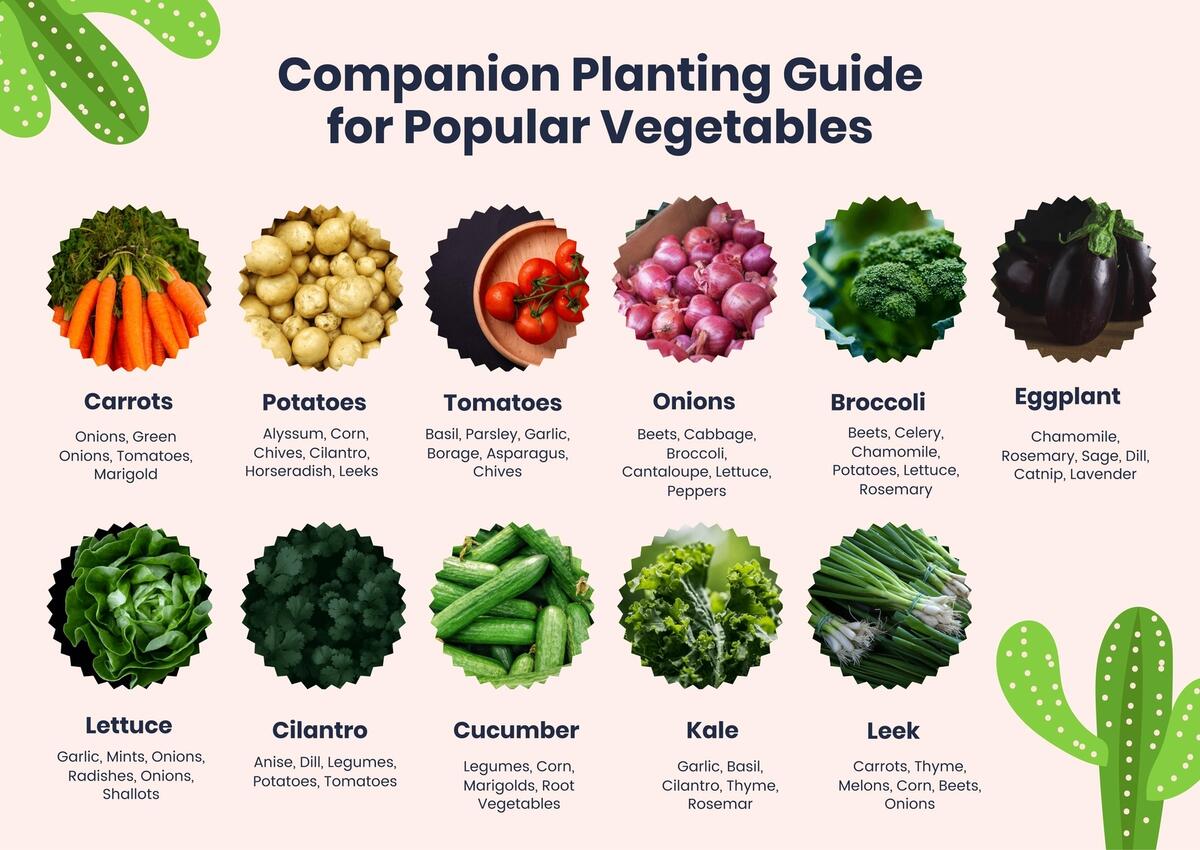
Companion Planting Chart For Popular Vegetables In PDF Illustrator Download Template
By incorporating companion planting into your gardening practice, you can create a more diverse, resilient, and productive garden. With the help of a companion planting chart, you can unlock the full potential of your garden and enjoy a bountiful harvest. So why not give companion planting a try? With its many benefits and ease of use, it’s a technique that can be used by gardeners of all levels to create a thriving and sustainable garden ecosystem.
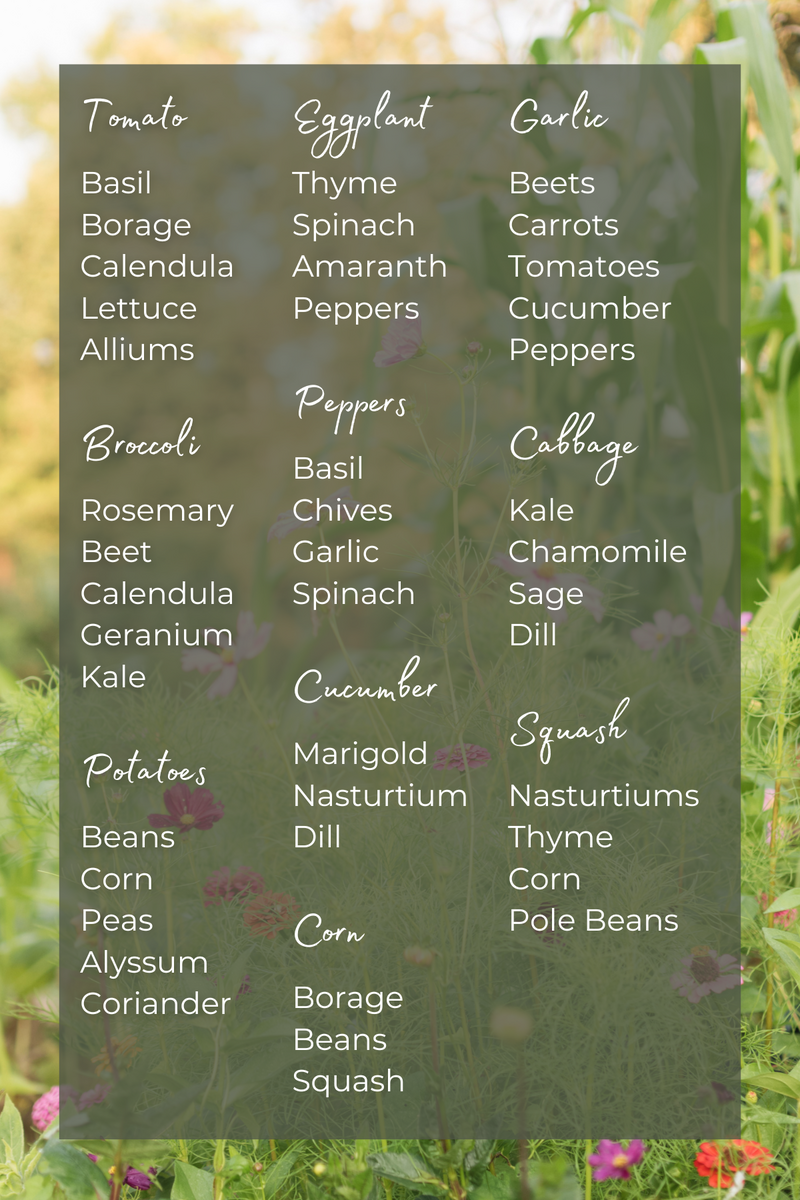
Your Companion Planting Chart For A Healthier Happier Garden
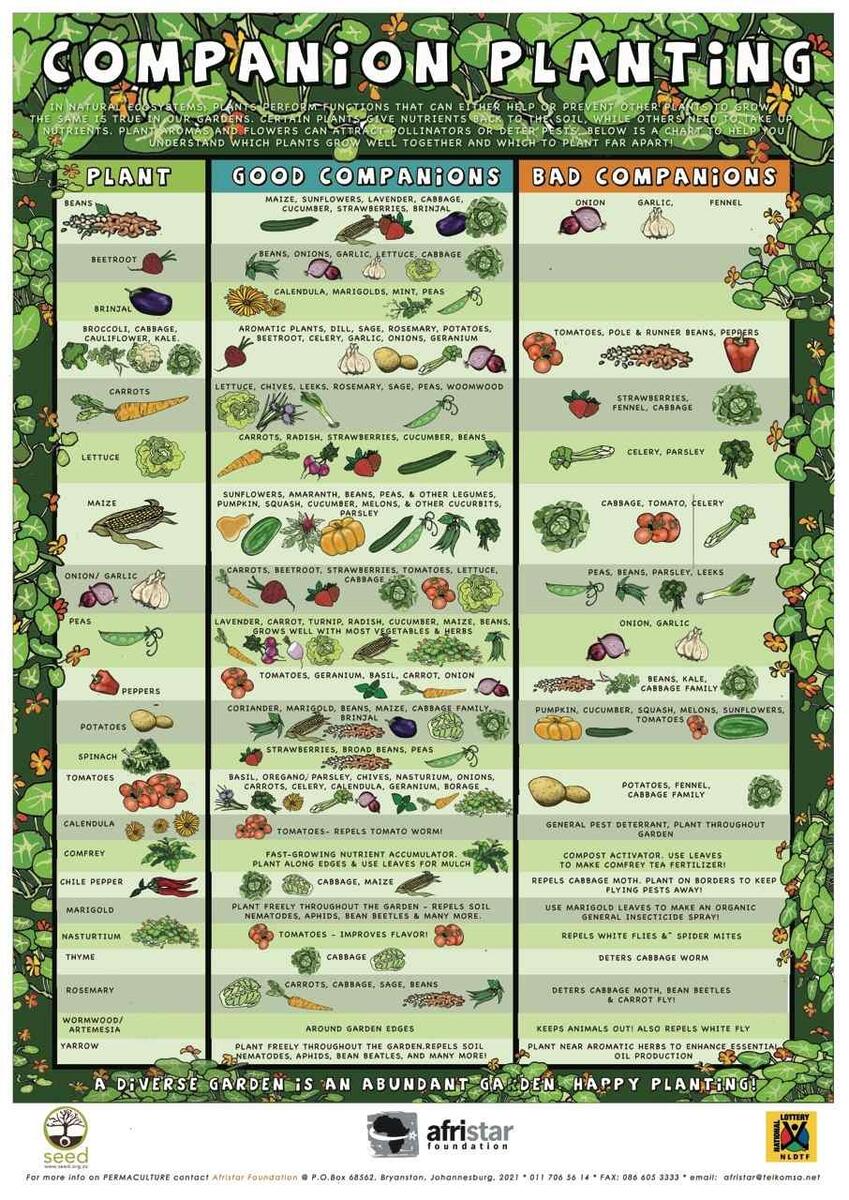
Companion Planting Chart Growin Crazy Acres