Figurative language is a crucial element in literature and communication, allowing writers and speakers to convey complex ideas and emotions in a more engaging and meaningful way. It encompasses a range of literary devices, including metaphors, similes, personification, and hyperbole, among others. Understanding and applying figurative language effectively can significantly enhance one’s ability to express themselves creatively and interpret the works of others.
The use of figurative language can transform ordinary writing into extraordinary pieces that capture the reader’s imagination. It adds depth, nuance, and flavor to texts, making them more memorable and impactful. For educators, teaching figurative language is an essential part of the curriculum, as it not only improves students’ writing skills but also fosters a deeper appreciation for literature and language.
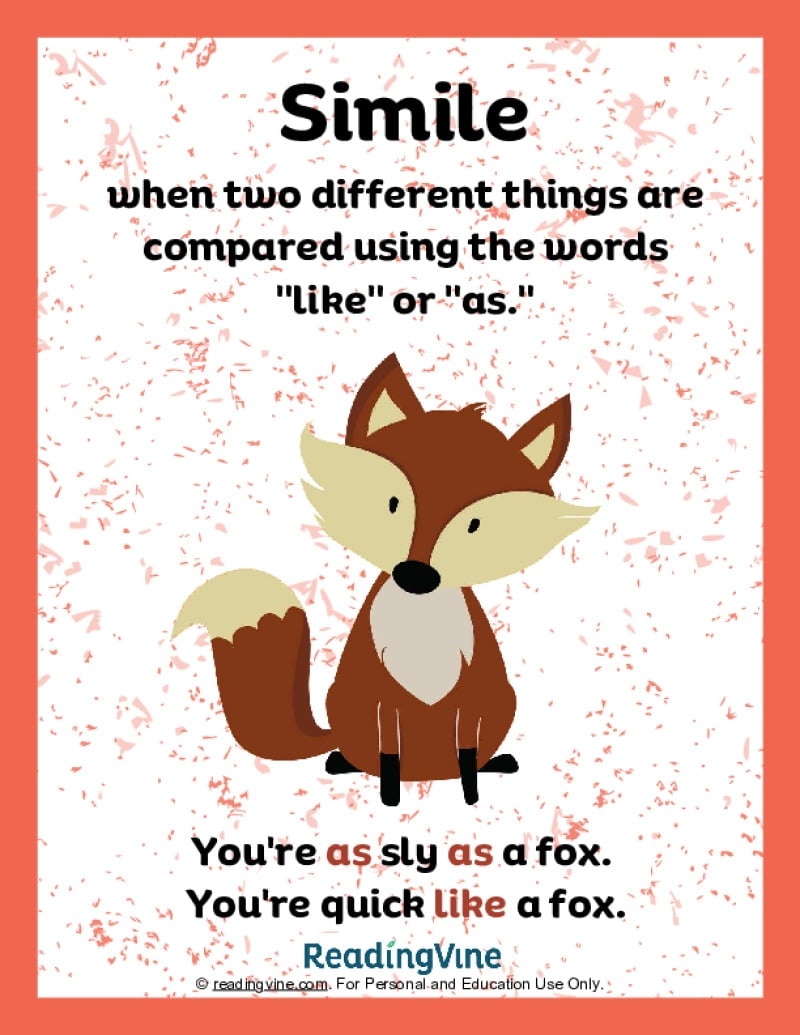
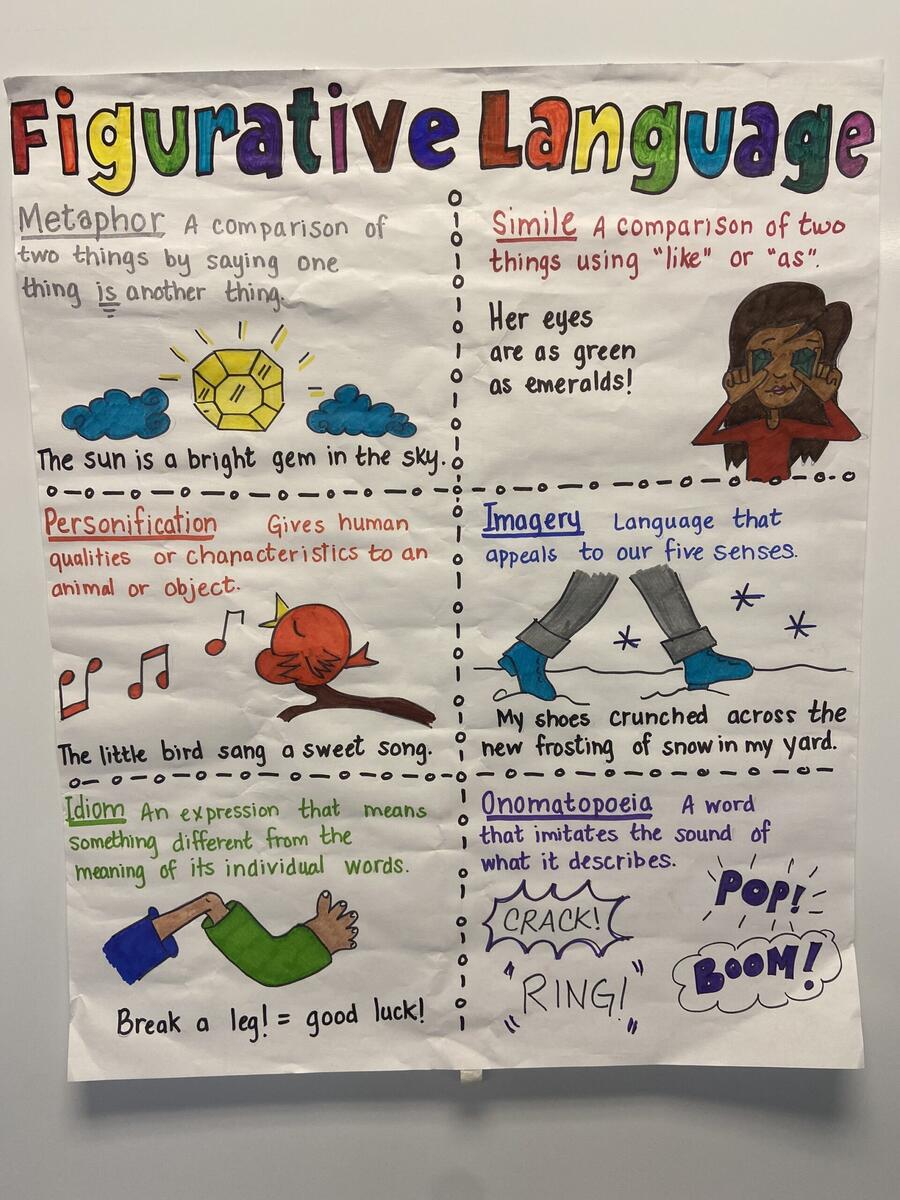
Figurative Language Anchor Chart ReadingVine
What is Figurative Language?
Figurative language refers to words or phrases that deviate from literal or ordinary language to convey meaning in a more vivid and imaginative way. It is used in both spoken and written language and is a key component of poetry, fiction, and other forms of creative writing. By using figurative language, writers can create powerful, evocative texts that resonate with readers on multiple levels.
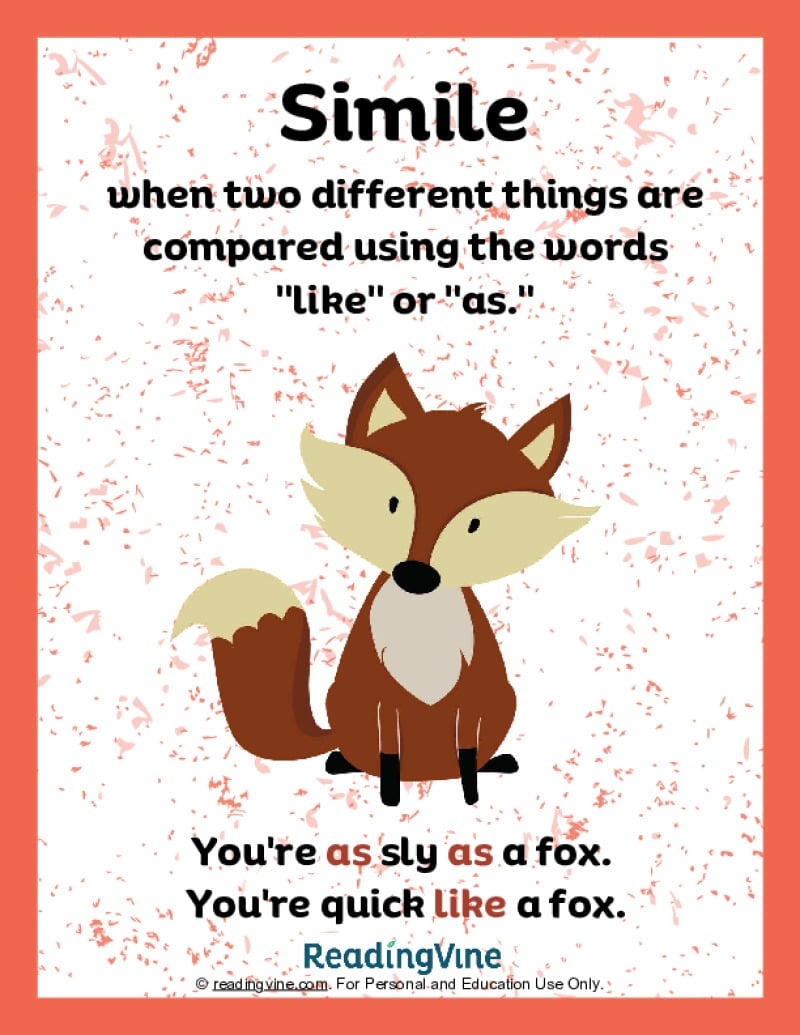
Figurative Language Anchor Chart ReadingVine
Benefits of Using a Figurative Language Anchor Chart
The benefits of using a figurative language anchor chart are numerous. For teachers, it provides a handy reference tool that can be used to introduce and reinforce the concept of figurative language in the classroom. Students can refer to the chart to identify and understand different literary devices, which helps in analyzing texts and in their own writing endeavors. Moreover, such visual aids can make learning more engaging and interactive, promoting a better retention of the material.
How to Use the Printable Anchor Chart
To use the printable anchor chart effectively, start by introducing the concept of figurative language and explaining the different devices included on the chart. Encourage students to find examples of these devices in the texts they read and to use them in their own creative writing. The chart can be displayed in the classroom or given to students as a reference sheet. Regularly reviewing and discussing the chart can help reinforce students’ understanding and application of figurative language.
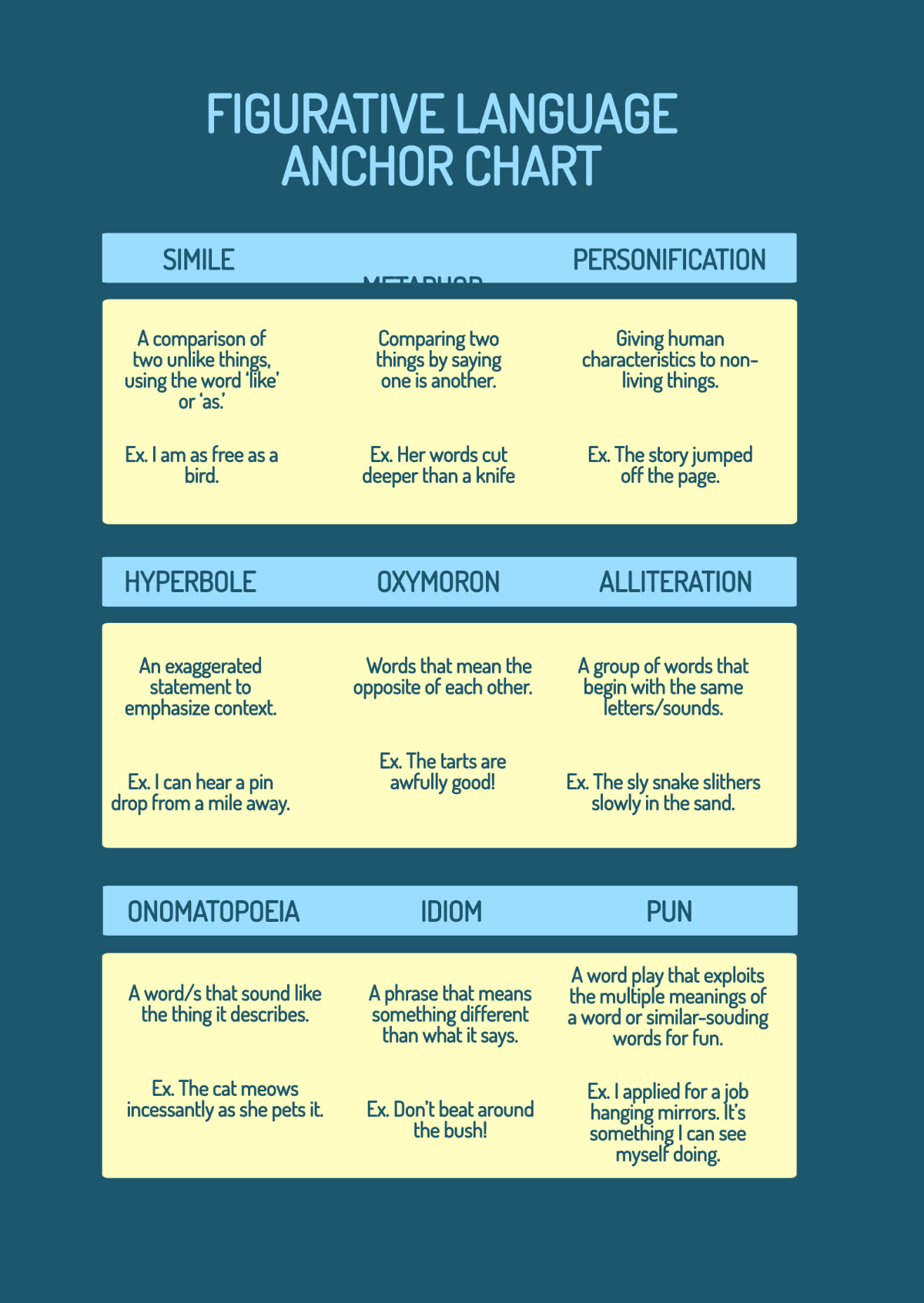
Free Figurative Language Anchor Chart Template To Edit Online
Incorporating a figurative language anchor chart into your teaching practice can have a profound impact on how students engage with and understand literature. It can help demystify complex literary concepts, making them more accessible and enjoyable for students. By providing a clear and concise visual representation of figurative language devices, the anchor chart serves as a valuable resource for both teachers and students, enhancing the learning experience and fostering a deeper love for language and literature.
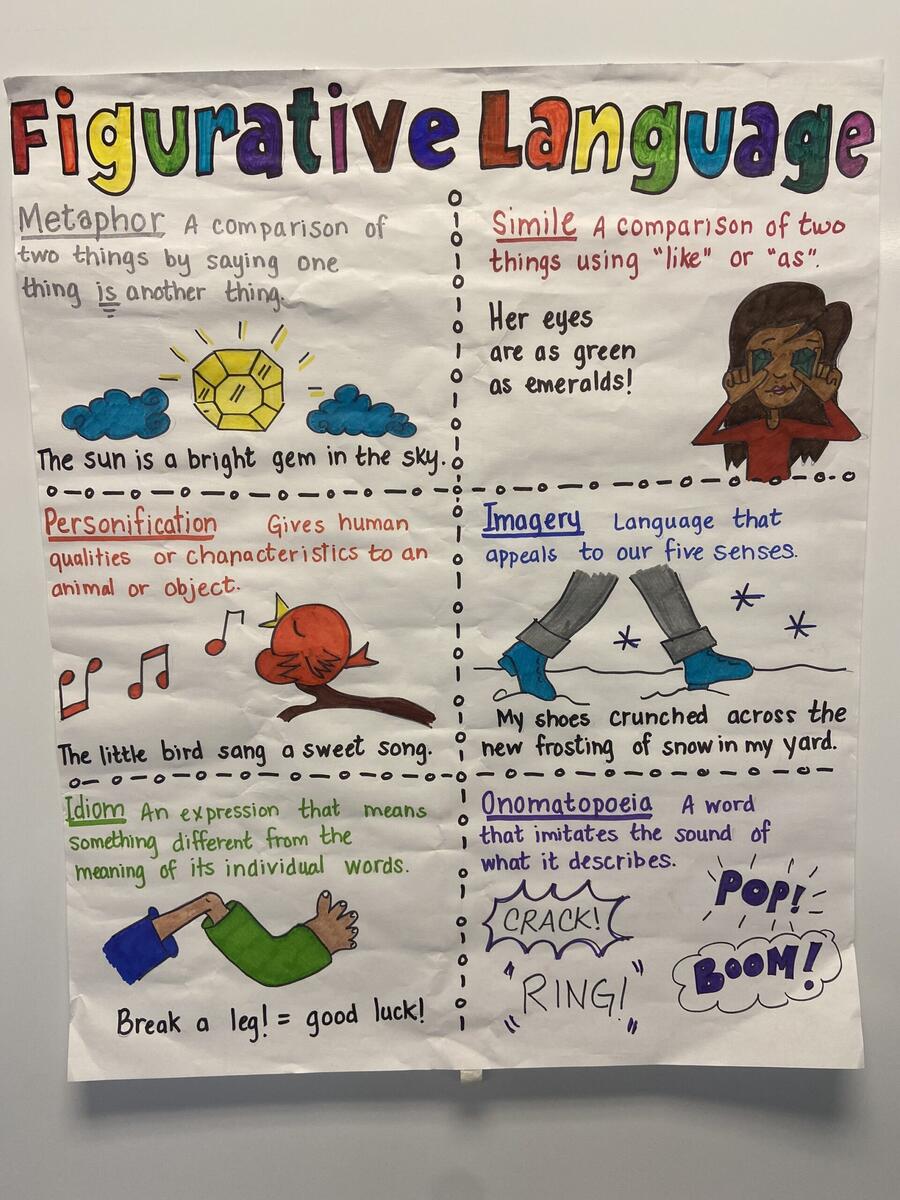
Figurative Language Anchor Chart Etsy
Figurative Language Anchor Chart Etsy