Trigger points are areas of muscle tissue that become knotted and inflamed, causing pain and discomfort. These areas can be tender to the touch and can radiate pain to other parts of the body. Trigger points can be caused by a variety of factors, including injury, poor posture, and repetitive strain. Fortunately, there are ways to alleviate trigger point pain, and one of the most effective tools is a trigger point chart.
A trigger point chart is a visual guide that maps out the locations of common trigger points on the body. It can be used to identify areas of tension and pain, and to develop a treatment plan to alleviate discomfort. By using a trigger point chart, individuals can take a proactive approach to managing their pain and improving their overall well-being. With the rise of digital technology, it’s now possible to access a free printable trigger point chart, making it easier than ever to get started on the path to relief.
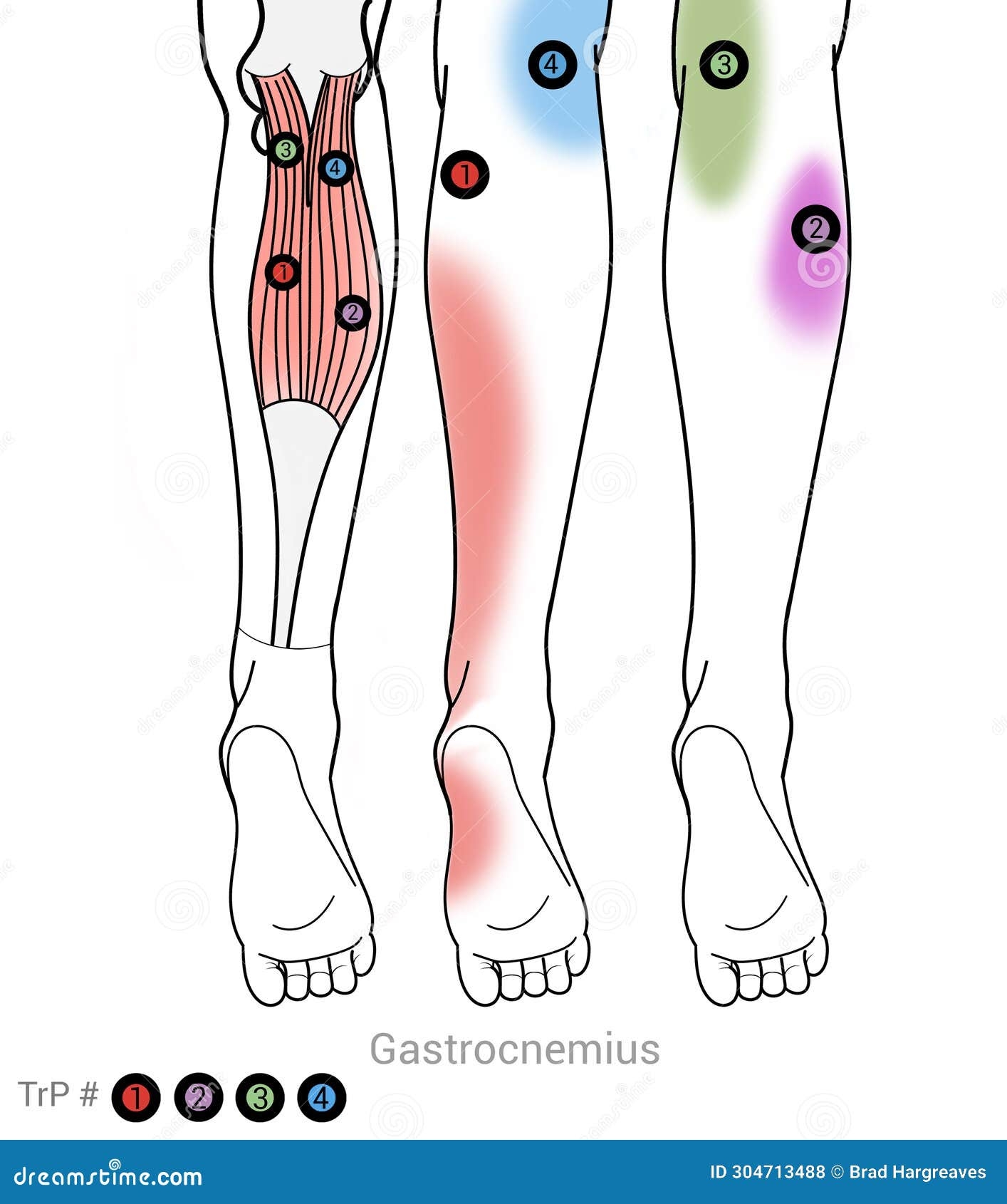
Gastocnemius Calf Muscle Myofascial Trigger Points Stock Illustration Illustration Of Anatomy Sole 304713488
What is a Trigger Point Chart?
A trigger point chart is a detailed diagram that illustrates the locations of trigger points on the body. It typically includes information on the muscles affected, the symptoms associated with each trigger point, and techniques for self-treatment. By understanding what a trigger point chart is and how it works, individuals can better appreciate the benefits of using one to manage their pain.
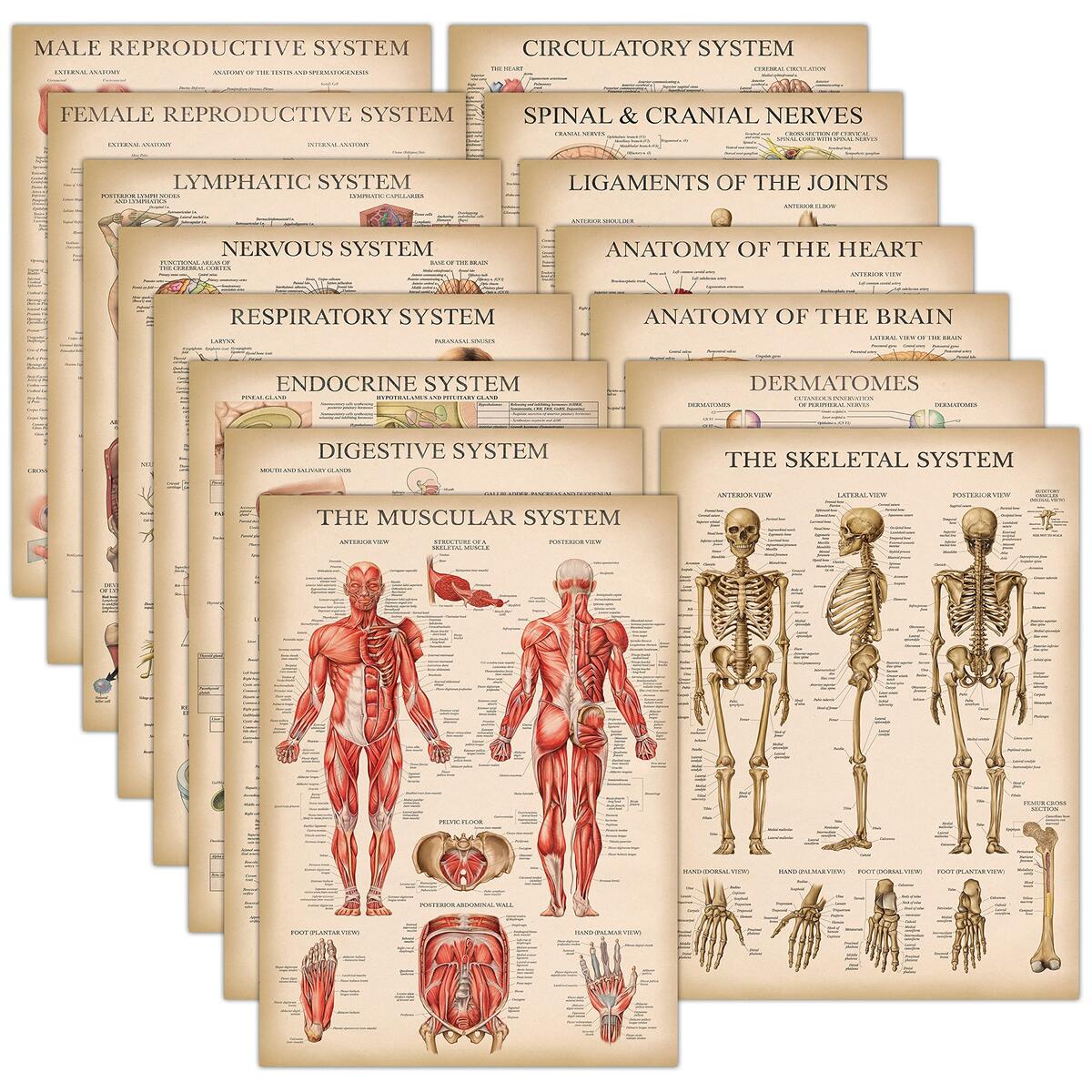
Trigger Point Treatment Free Printable Quick Reference Guide Template To Edit Online Muscle Anatomy Chart
Benefits of Using a Free Printable Trigger Point Chart
Using a free printable trigger point chart can have numerous benefits for individuals suffering from muscle tension and pain. For one, it provides a convenient and accessible way to identify areas of tension and develop a treatment plan. Additionally, a trigger point chart can help individuals learn about their bodies and take a more proactive approach to managing their pain. By using a trigger point chart, individuals can also reduce their reliance on pain medication and other treatments, and instead focus on natural and holistic approaches to pain relief.
How to Use a Trigger Point Chart for Maximum Relief
To use a trigger point chart for maximum relief, individuals should start by identifying the areas of tension and pain in their bodies. They can then refer to the chart to learn more about the muscles affected and the symptoms associated with each trigger point. From there, individuals can develop a treatment plan that includes self-treatment techniques, such as massage and stretching, as well as other holistic approaches to pain relief. By following these steps and using a trigger point chart as a guide, individuals can experience significant relief from muscle tension and pain.
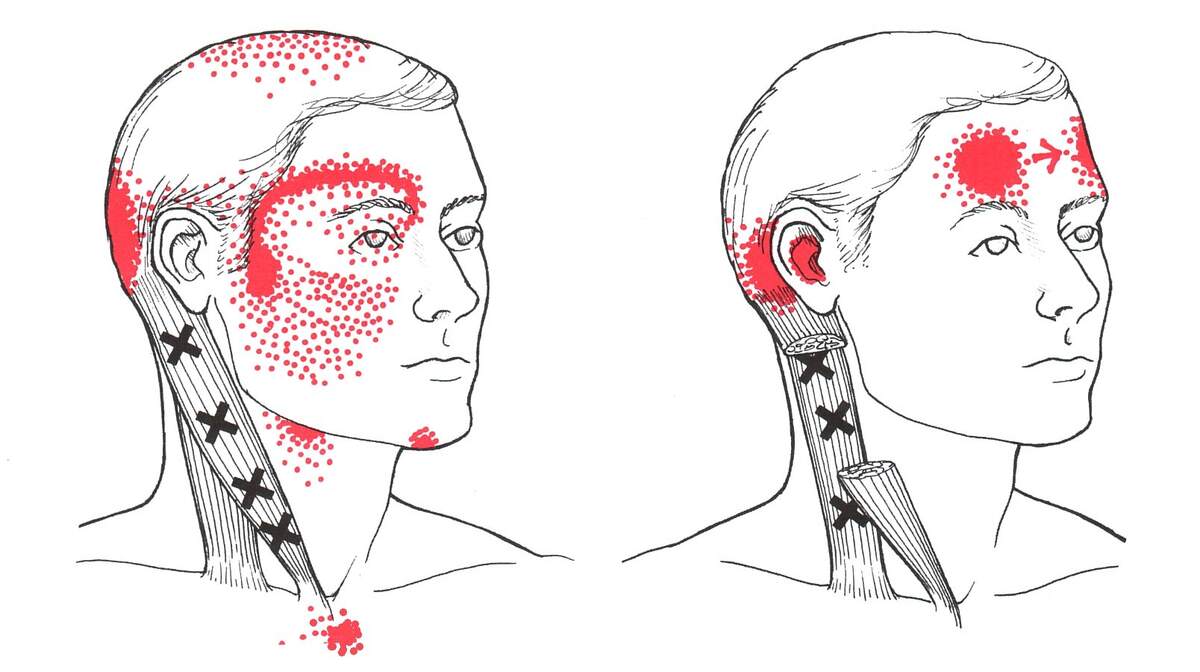
Sternocleidomastoid The Trigger Point Referred Pain Guide
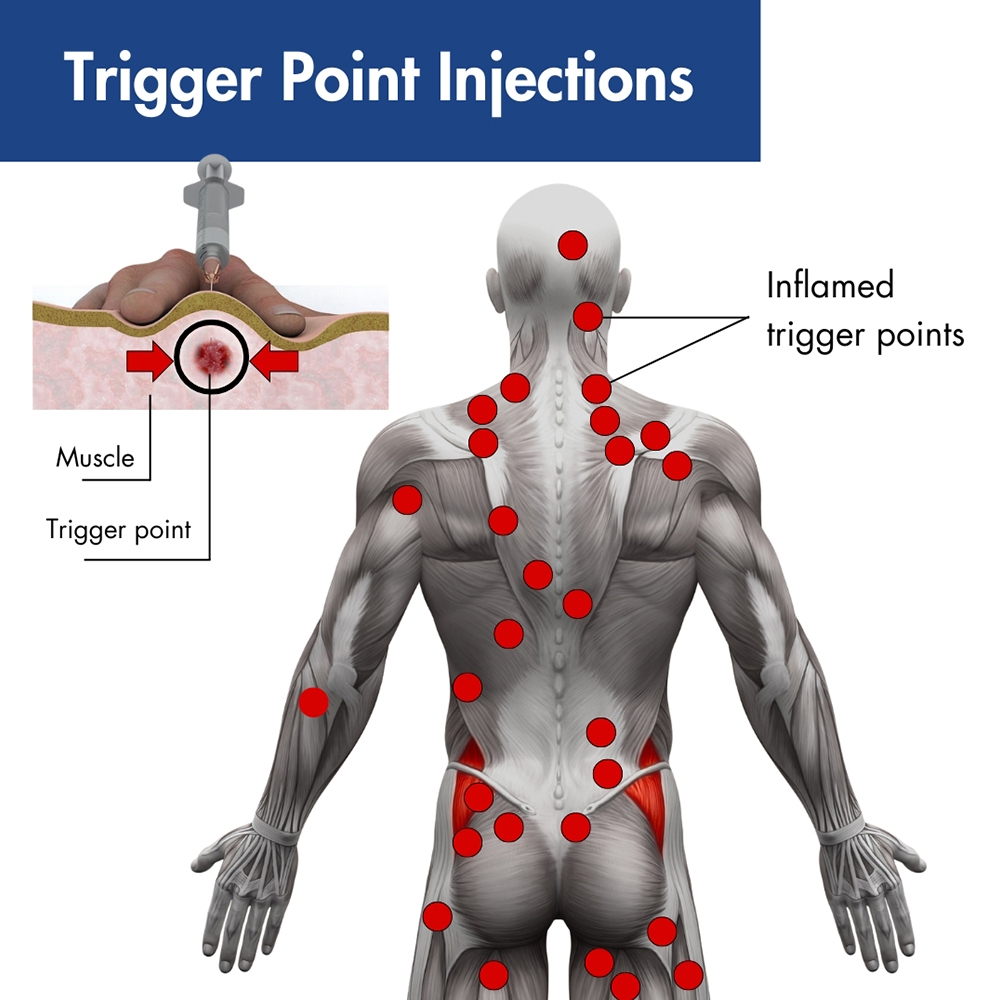
Trigger Point Injection In Madison WI Wisconsin Myofascial Pain Relief
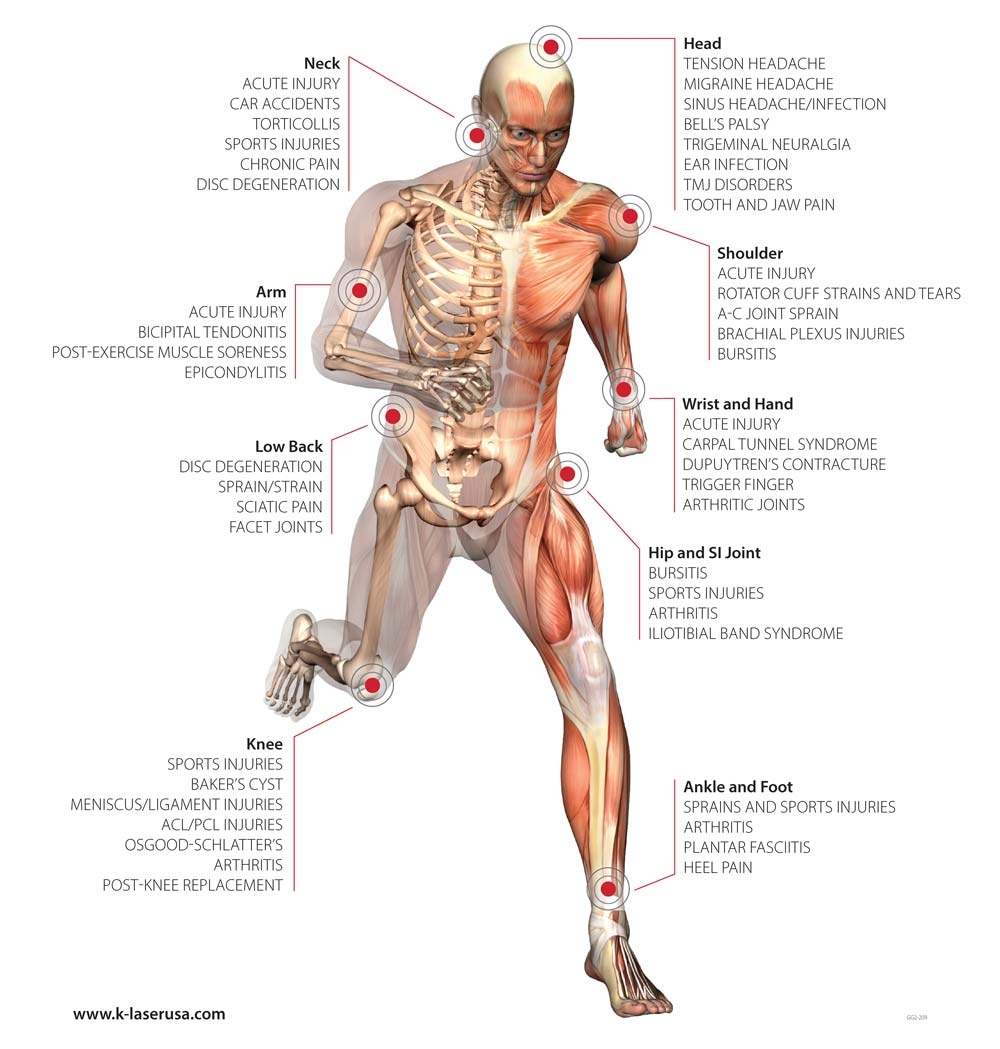
Myofascial Pain How Trigger Point Injection Can Help Dr Mehrtash Amini