Macroinvertebrates are small animals without backbones that live in water, such as insects, crustaceans, and mollusks. They play a crucial role in maintaining the balance of aquatic ecosystems and are often used as indicators of water quality. By studying macroinvertebrates, scientists and researchers can gain insights into the health of rivers, streams, and lakes, and make informed decisions about conservation and management efforts.
The identification of macroinvertebrates is a complex process that requires specialized knowledge and expertise. However, with the help of a macroinvertebrate ID chart, anyone can learn to recognize and identify these tiny creatures. A macroinvertebrate ID chart is a valuable tool that provides a comprehensive guide to the different types of macroinvertebrates, their characteristics, and habitats. By using a macroinvertebrate ID chart, individuals can contribute to citizen science projects, participate in water quality monitoring, and develop a deeper appreciation for the natural world.
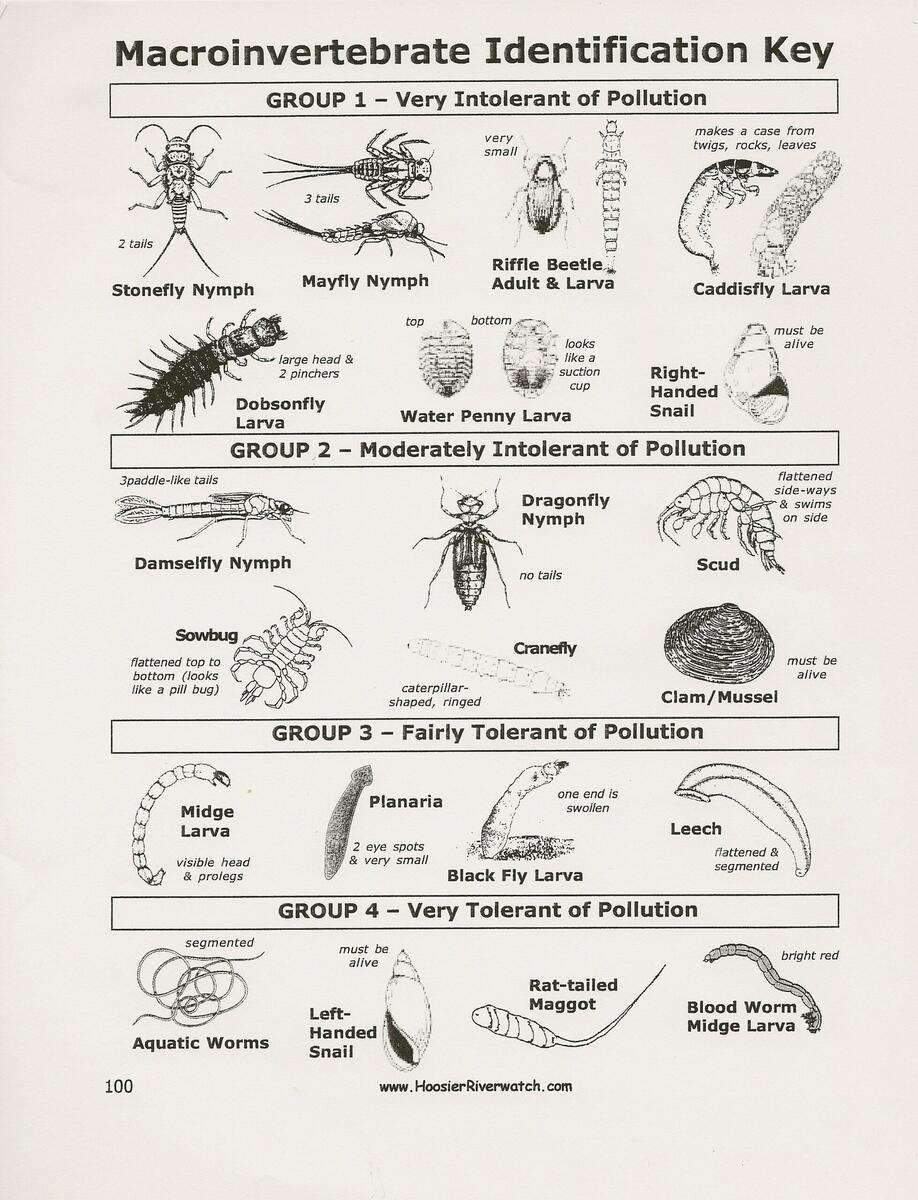
Discover 10 Macroinvertebrates And Aquatic Insects Ideas On This Pinterest Board Environmental Science Environmental Education Teaching Stem And More
What are Macroinvertebrates?
Macroinvertebrates are a diverse group of animals that include mayflies, caddisflies, stoneflies, and many others. They are found in a wide range of aquatic habitats, from fast-flowing streams to slow-moving lakes and ponds. Macroinvertebrates are an essential food source for many fish and other aquatic animals, and they play a critical role in decomposing organic matter and recycling nutrients. By learning to identify macroinvertebrates, individuals can gain a better understanding of the complex relationships within aquatic ecosystems and the importance of conservation efforts.
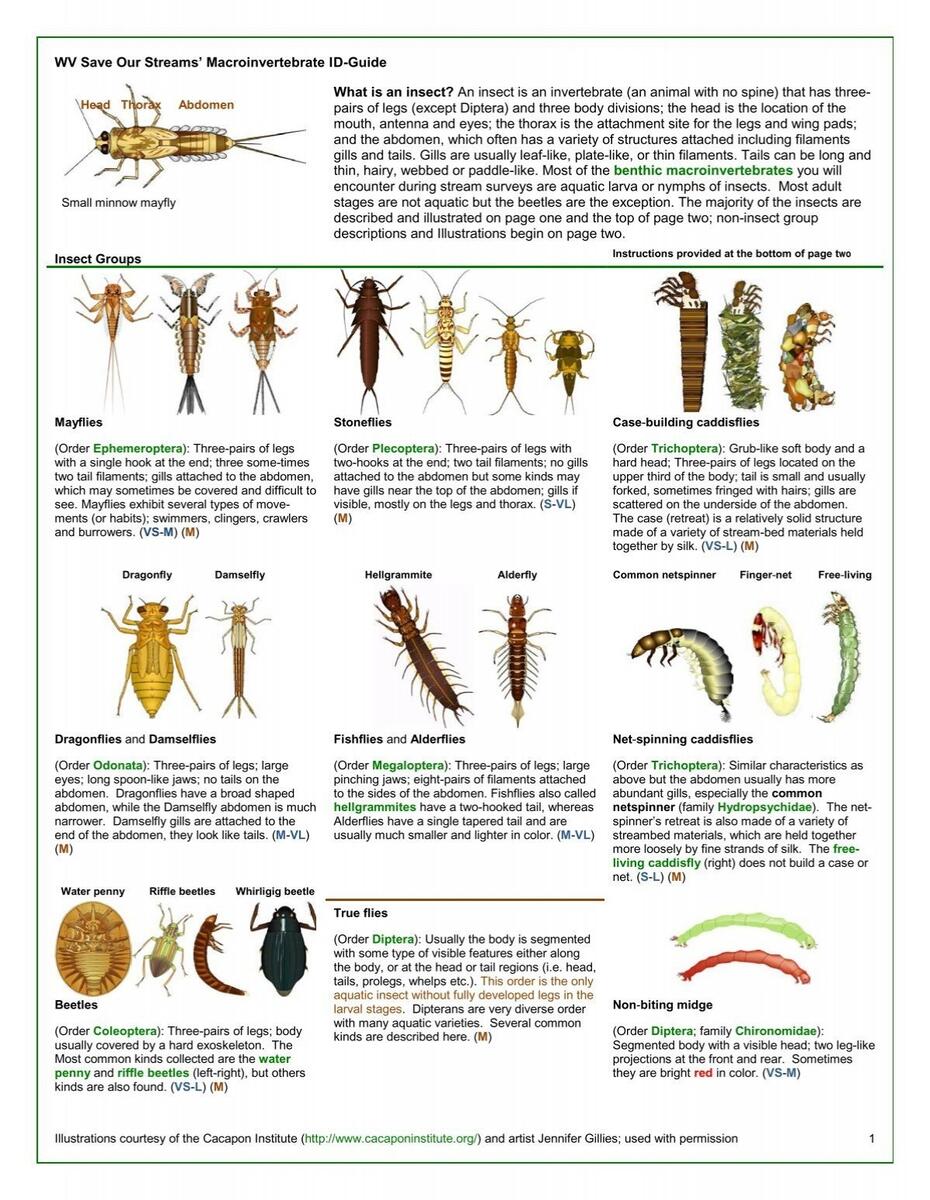
WV Save Our Streams Macroinvertebrate ID Guide What Is An
Importance of Macroinvertebrate Identification
The identification of macroinvertebrates is essential for assessing water quality and monitoring the health of aquatic ecosystems. Macroinvertebrates are sensitive to changes in water quality, and their presence or absence can indicate the level of pollution, sedimentation, or other environmental stressors. By using a macroinvertebrate ID chart, individuals can learn to recognize the different types of macroinvertebrates that are tolerant or intolerant of pollution, and use this information to make informed decisions about water quality management and conservation.
Using a Macroinvertebrate ID Chart
A macroinvertebrate ID chart is a valuable resource for anyone interested in exploring the world of aquatic biology. These charts are typically available as free printables online and can be used in a variety of settings, from classrooms to field stations. By using a macroinvertebrate ID chart, individuals can learn to identify the different types of macroinvertebrates, their habitats, and their roles in aquatic ecosystems. This knowledge can be used to promote environmental conservation, support citizen science projects, and develop a deeper appreciation for the natural world.
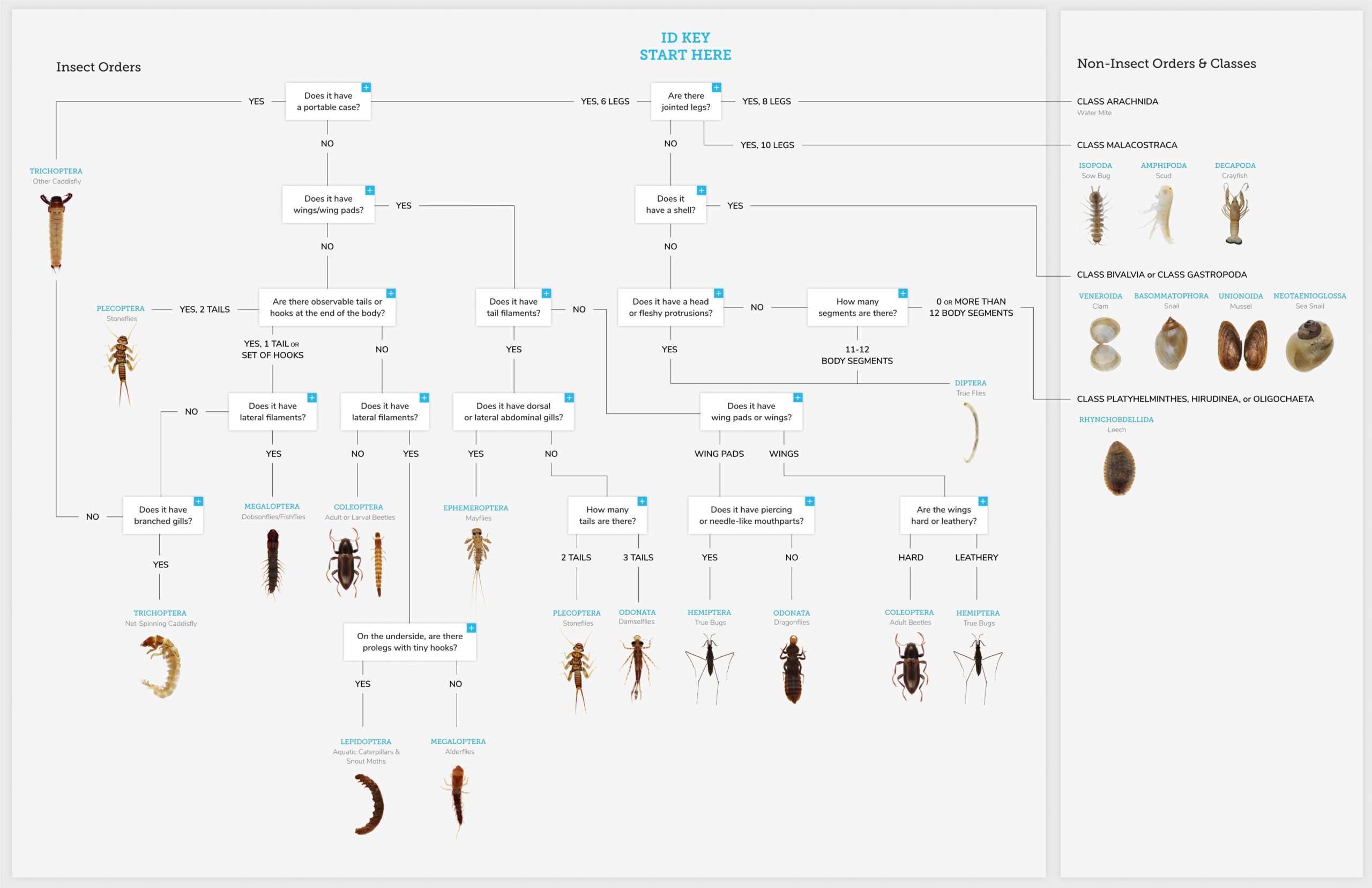
Macroinvertebrate Identification Key
In addition to their use in water quality monitoring and conservation efforts, macroinvertebrate ID charts can also be used in educational settings to teach students about aquatic biology and ecology. By providing a comprehensive guide to the different types of macroinvertebrates, these charts can help students develop a better understanding of the complex relationships within aquatic ecosystems and the importance of conservation efforts. Whether used in a classroom or in the field, a macroinvertebrate ID chart is a valuable tool for anyone interested in exploring the world of aquatic biology.
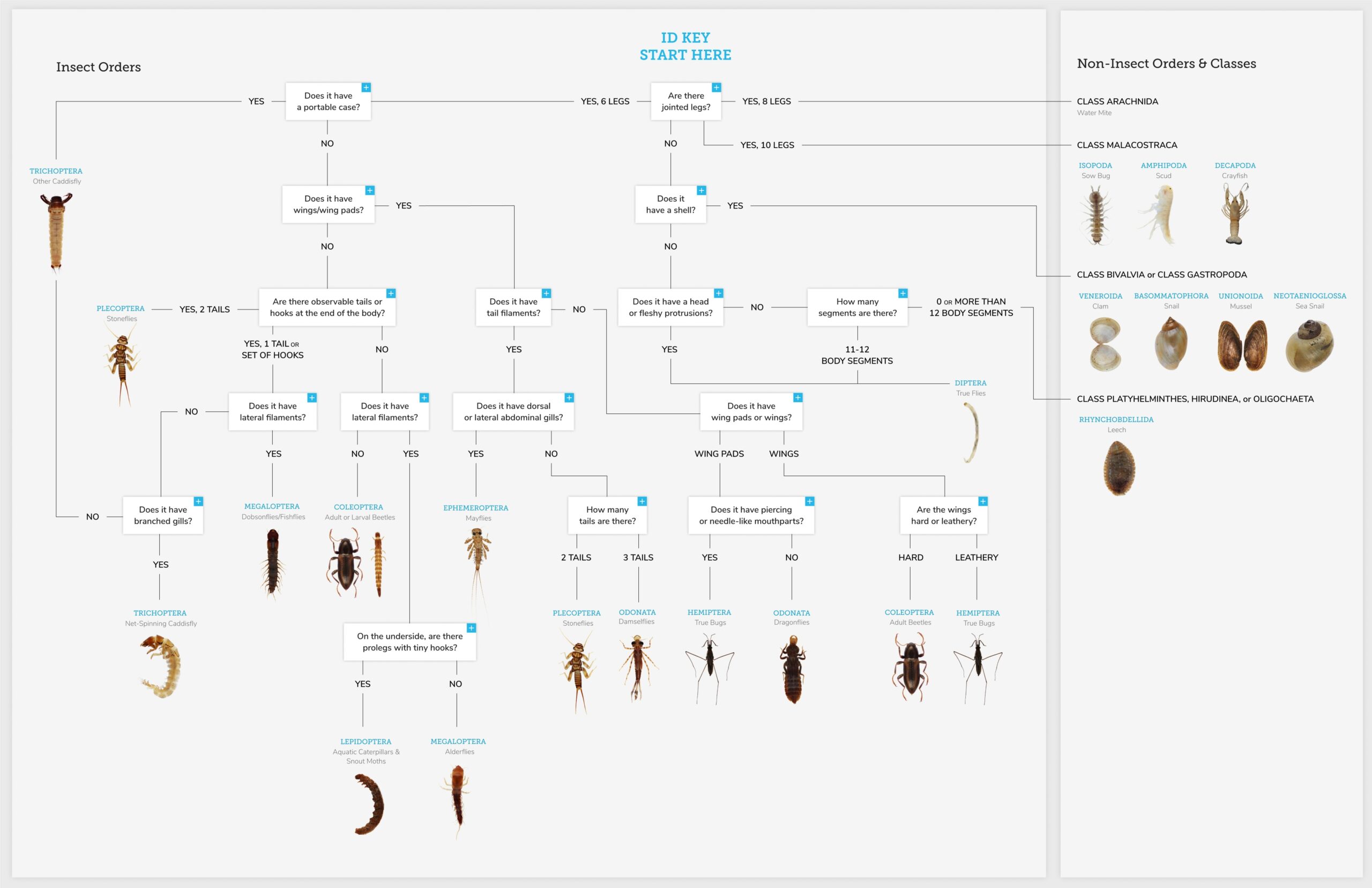
Macroinvertebrate Identification Key
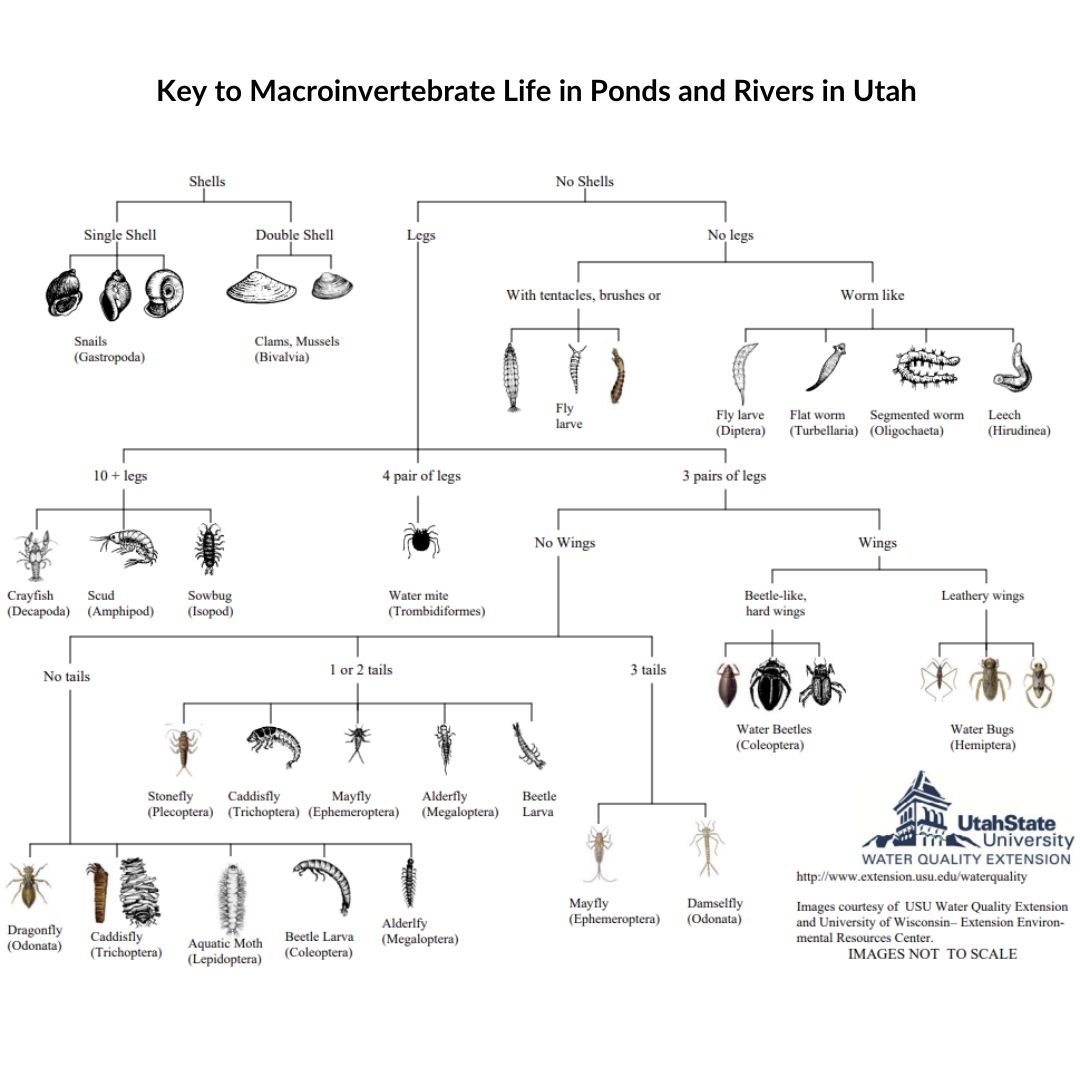
Macroinvertebrate Key USU