Playing the piano requires a great deal of hand-eye coordination, fine motor skills, and practice. One of the most essential aspects of learning to play the piano is understanding piano fingering. Piano fingering refers to the specific placement of fingers on the keys to produce a particular sound or note. As a beginner, it can be overwhelming to learn the correct finger placement, but with the help of a piano fingering chart, you can master the technique in no time.
A piano fingering chart is a valuable tool for pianists of all levels, from beginners to advanced players. It provides a visual representation of the finger numbers and their corresponding keys, making it easier to learn and practice new pieces. With a piano fingering chart, you can improve your technique, increase your speed, and enhance your overall performance. Whether you’re a student or a teacher, a piano fingering chart is an essential resource to have in your music library.
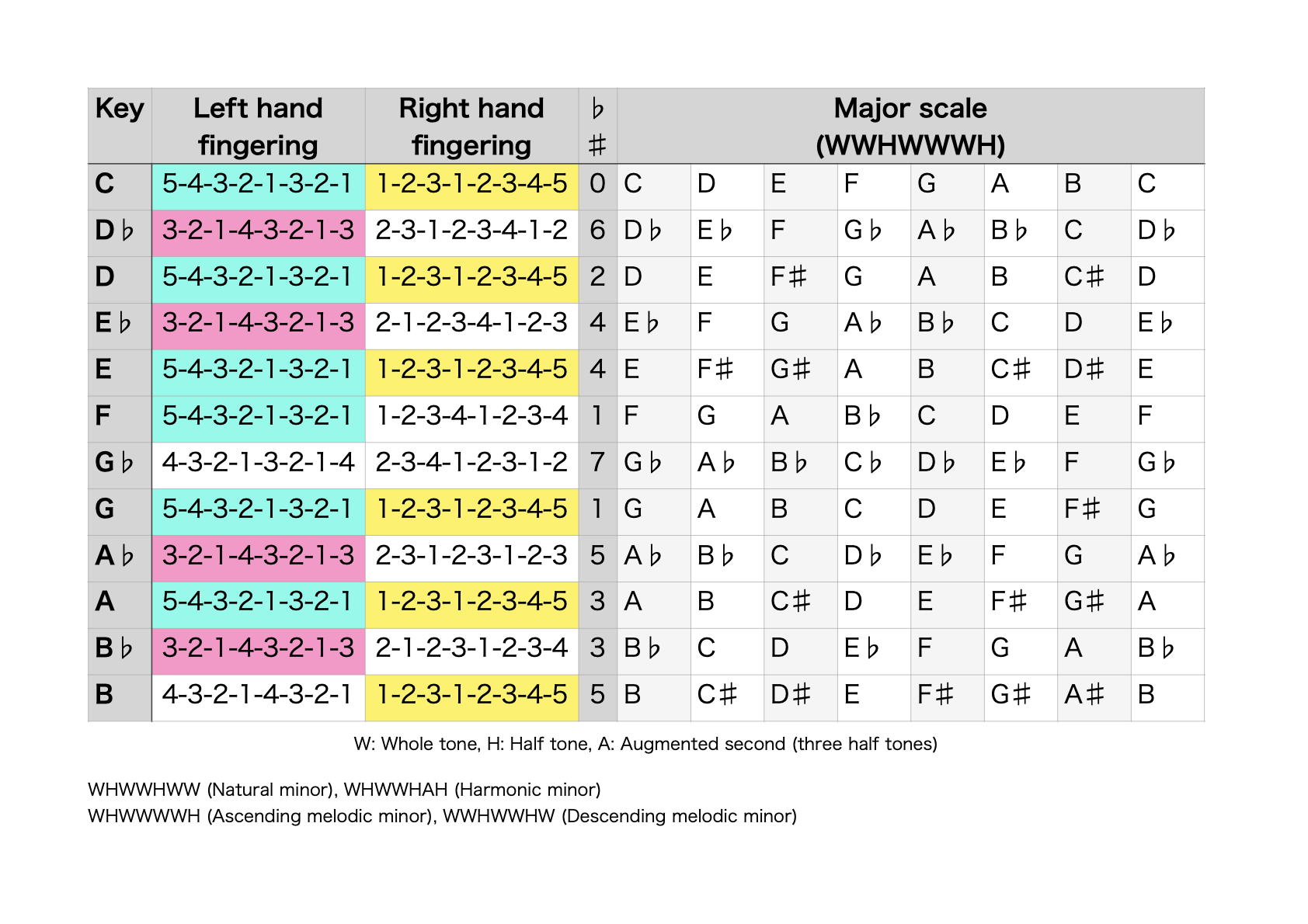
Made A Fingering Chart Of Major Scales R Piano
Understanding Piano Fingering
Understanding piano fingering is crucial to playing the piano correctly. Each finger has a specific number, with the thumb being number 1 and the pinky being number 5. The finger numbers are used to indicate which finger should play a particular note. A piano fingering chart helps you learn the correct finger placement for each note, allowing you to develop good hand position, finger independence, and dexterity. By practicing with a piano fingering chart, you can improve your overall technique and reduce the risk of injury.
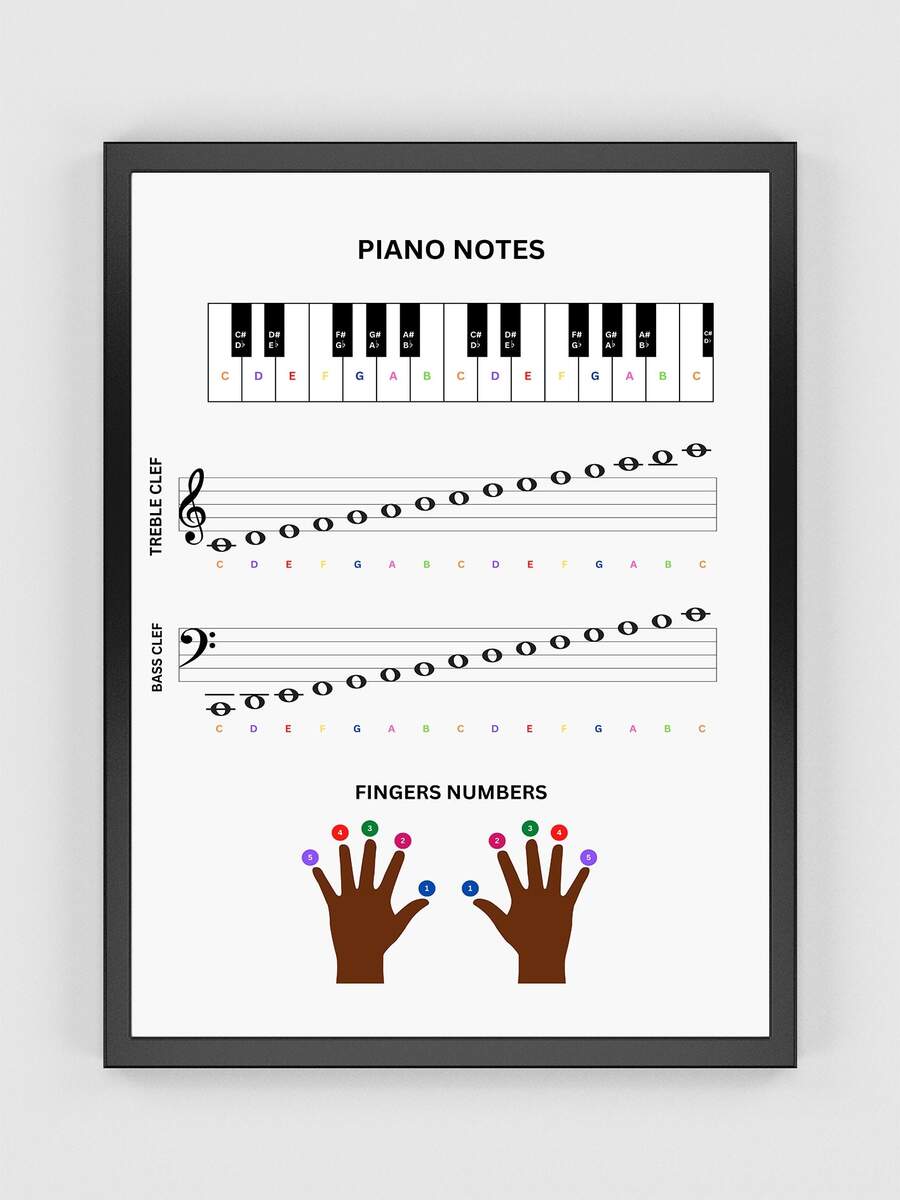
Piano Notes And Finger Numbers Printable Poster Music Cheat Sheet Musical Poster Music Theory Music Education Digital Wall Art Etsy Finland
Benefits of Using a Piano Fingering Chart
Using a piano fingering chart has numerous benefits for pianists. It helps to improve finger dexterity, increase speed, and enhance accuracy. A piano fingering chart also enables you to learn new pieces more efficiently, as you can focus on the finger placement rather than the notes themselves. Additionally, a piano fingering chart can help you develop good practice habits, such as practicing scales and arpeggios, which are essential for building technique and improving overall performance.
How to Use a Piano Fingering Chart Printable
To use a piano fingering chart printable, start by downloading and printing the chart. Place the chart on your music stand or next to your piano, and begin practicing a new piece. Look at the chart to determine which finger should play each note, and practice slowly to develop muscle memory. As you become more comfortable with the finger placement, you can gradually increase your speed and focus on other aspects of your playing, such as dynamics and expression. With regular practice and the help of a piano fingering chart, you can improve your piano skills and become a more confident player.
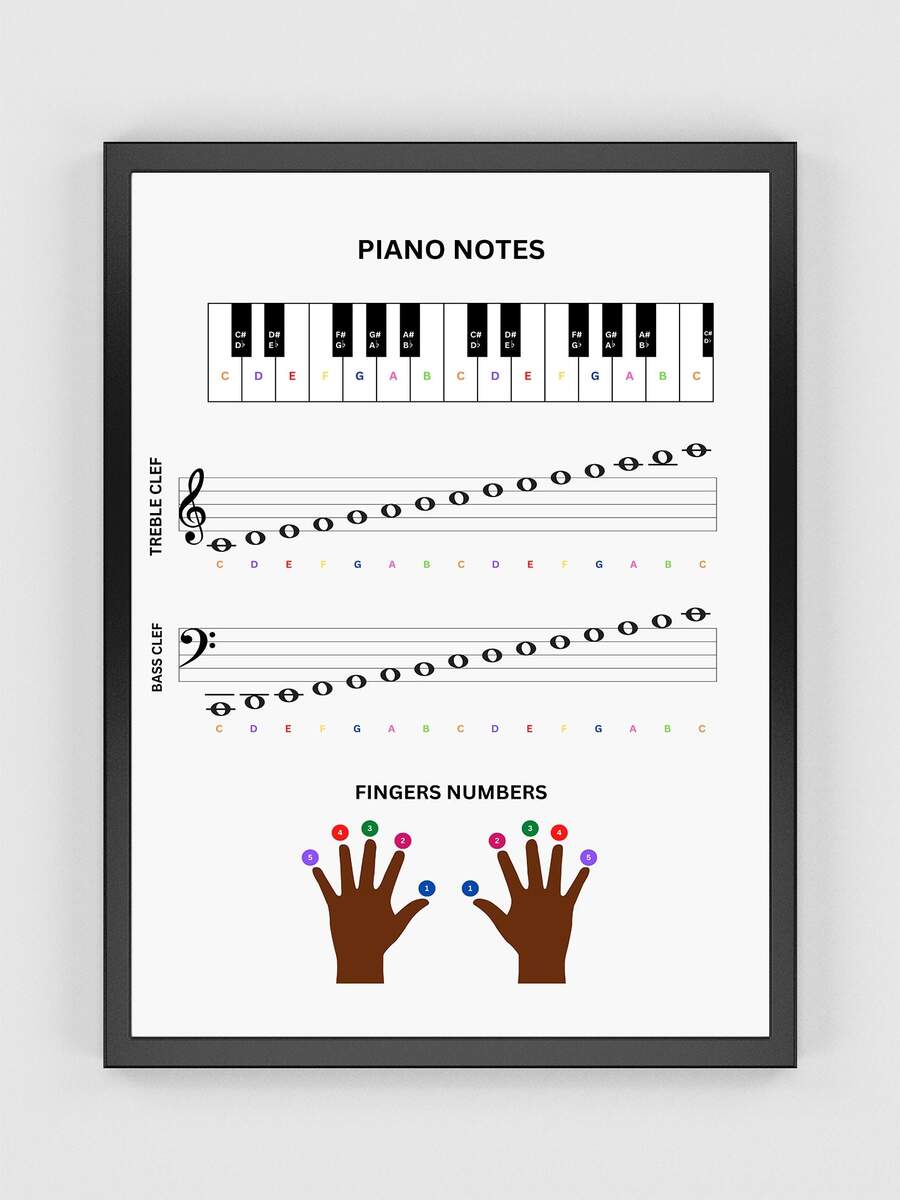
Piano Notes And Finger Numbers Printable Poster Music Cheat Sheet Musical Poster Music Theory Music Education Digital Wall Art Etsy Finland
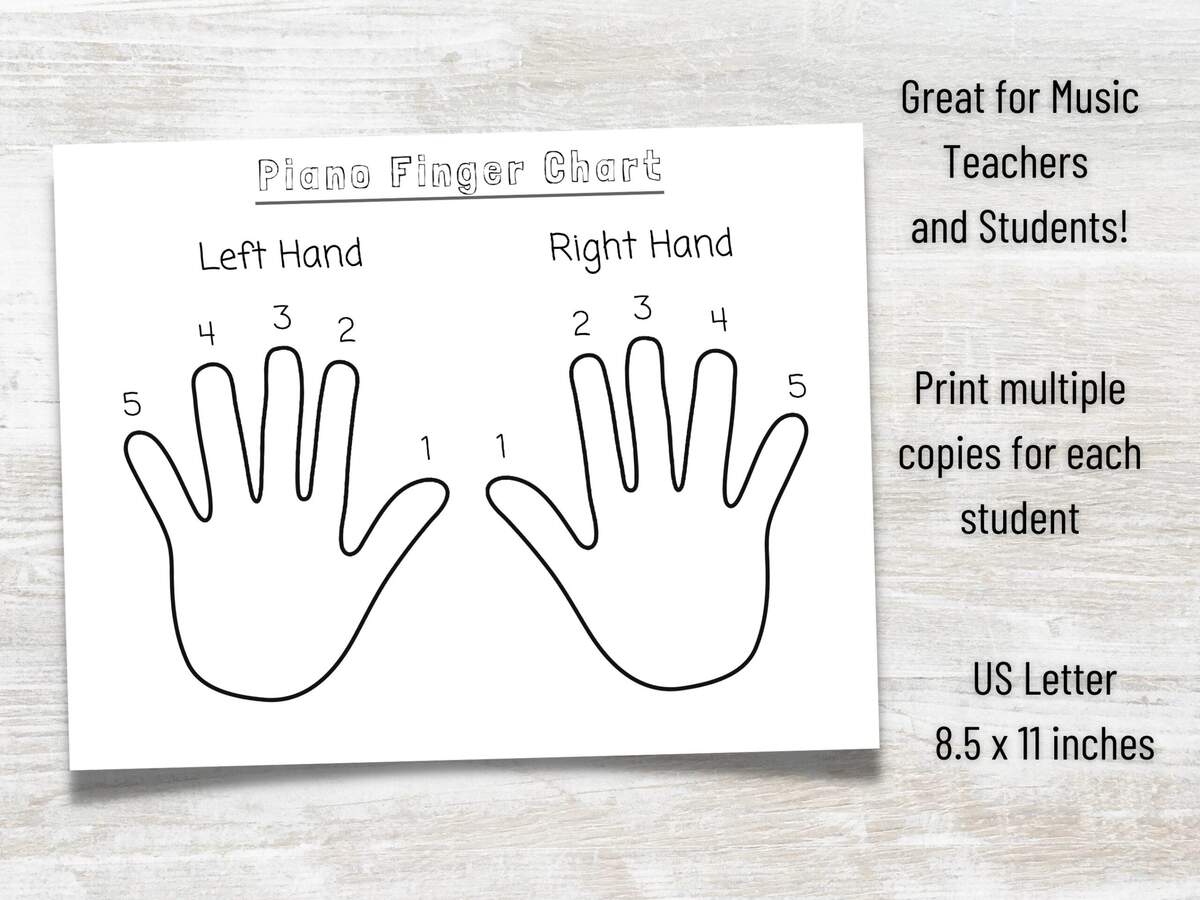
Printable Piano Finger Handout Digital Download 8 5 X 11 Inches Etsy
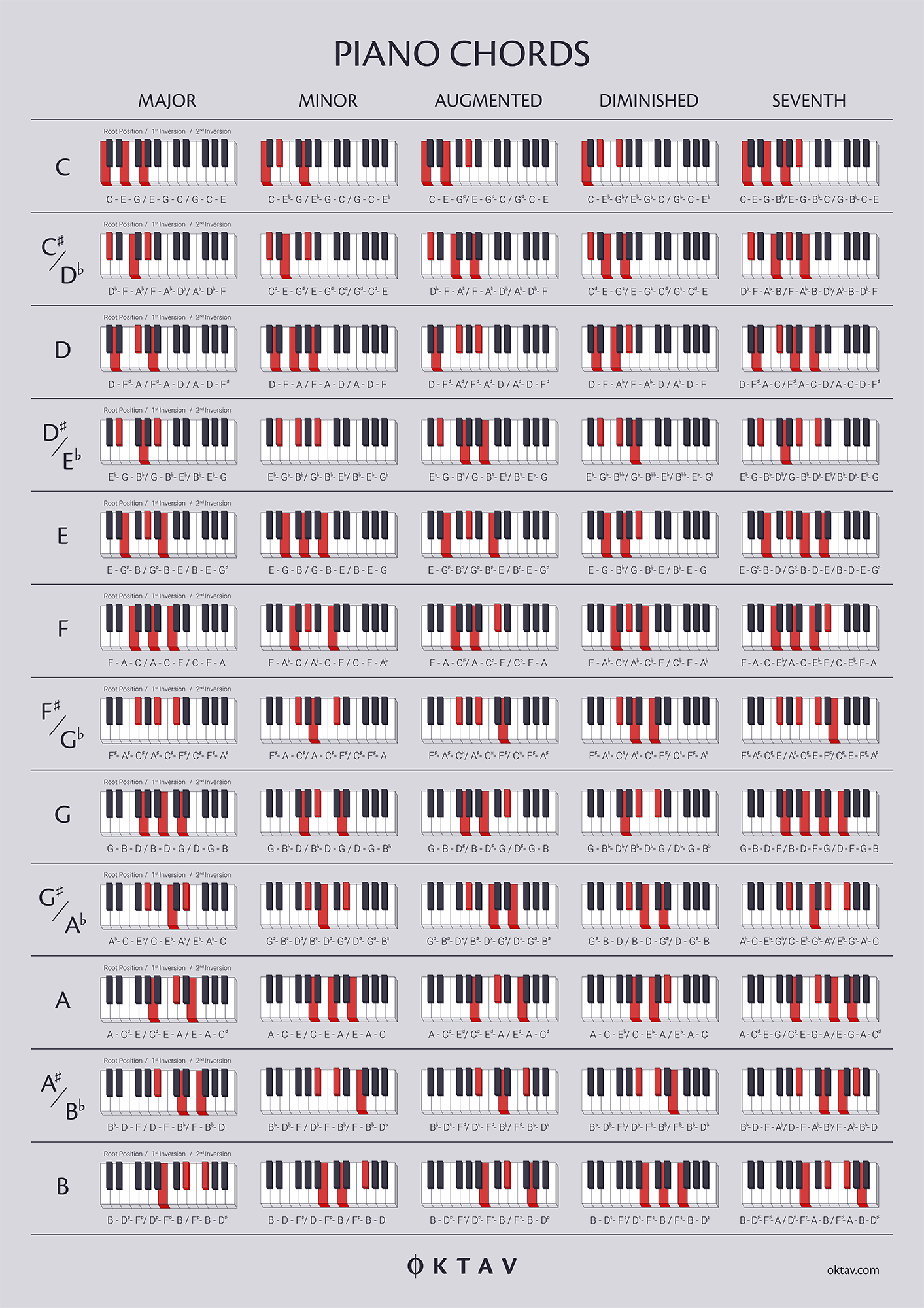
The Ultimate Chord Guide For Piano Players OKTAV