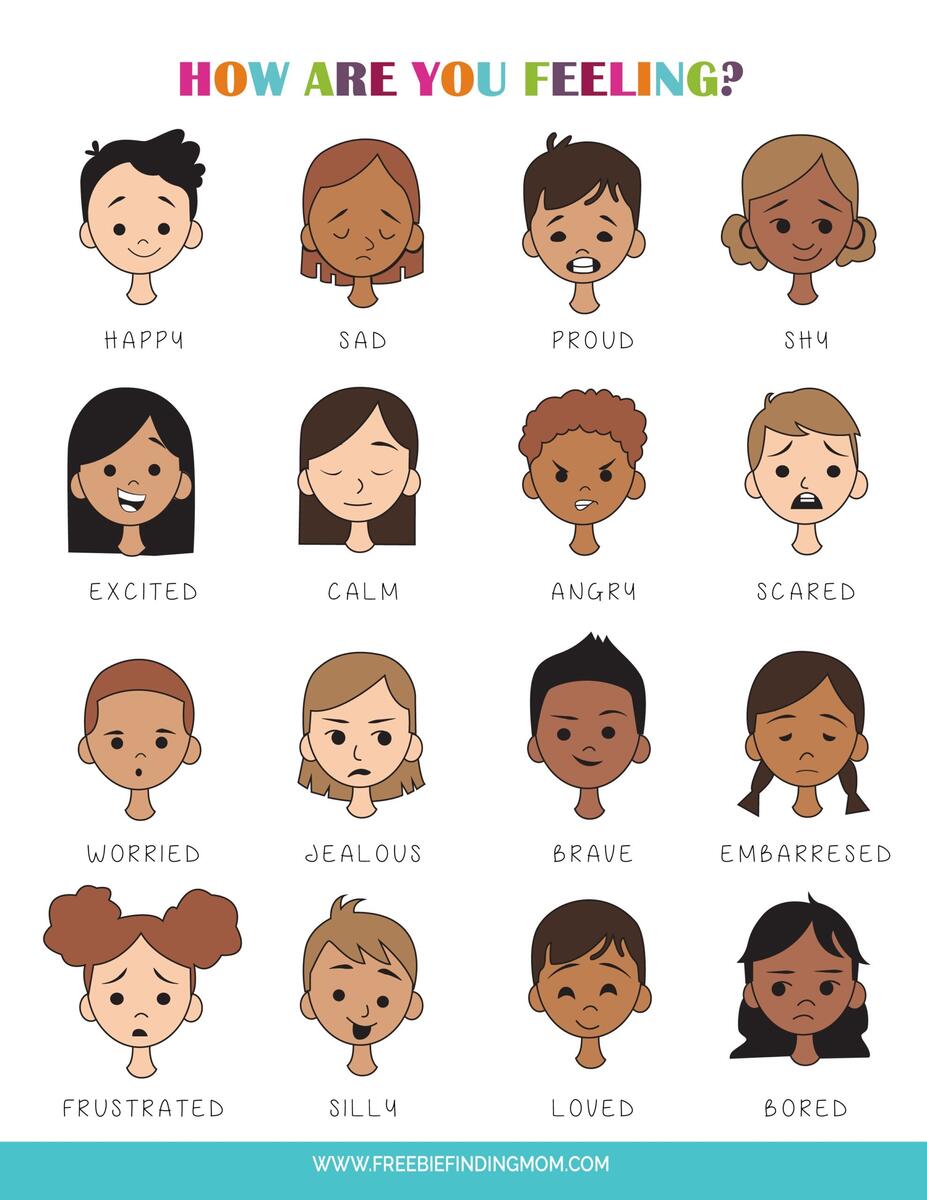
Teaching kindergarten is a delicate balance between play, learning, and emotional development. One of the most critical aspects of a child’s development during these early years is understanding and managing their emotions. A printable feelings chart for kindergarten can be a valuable tool in this journey, providing a visual aid that helps children identify, express, and manage their feelings in a constructive manner.
Emotional intelligence is the ability to recognize and understand emotions in oneself and others, and it plays a crucial role in a child’s social and academic success. By introducing the concept of emotional intelligence early on, educators can lay the foundation for healthier relationships, better decision-making, and a more positive outlook on life. The use of a feelings chart is an engaging and interactive way to teach this complex concept to young children.
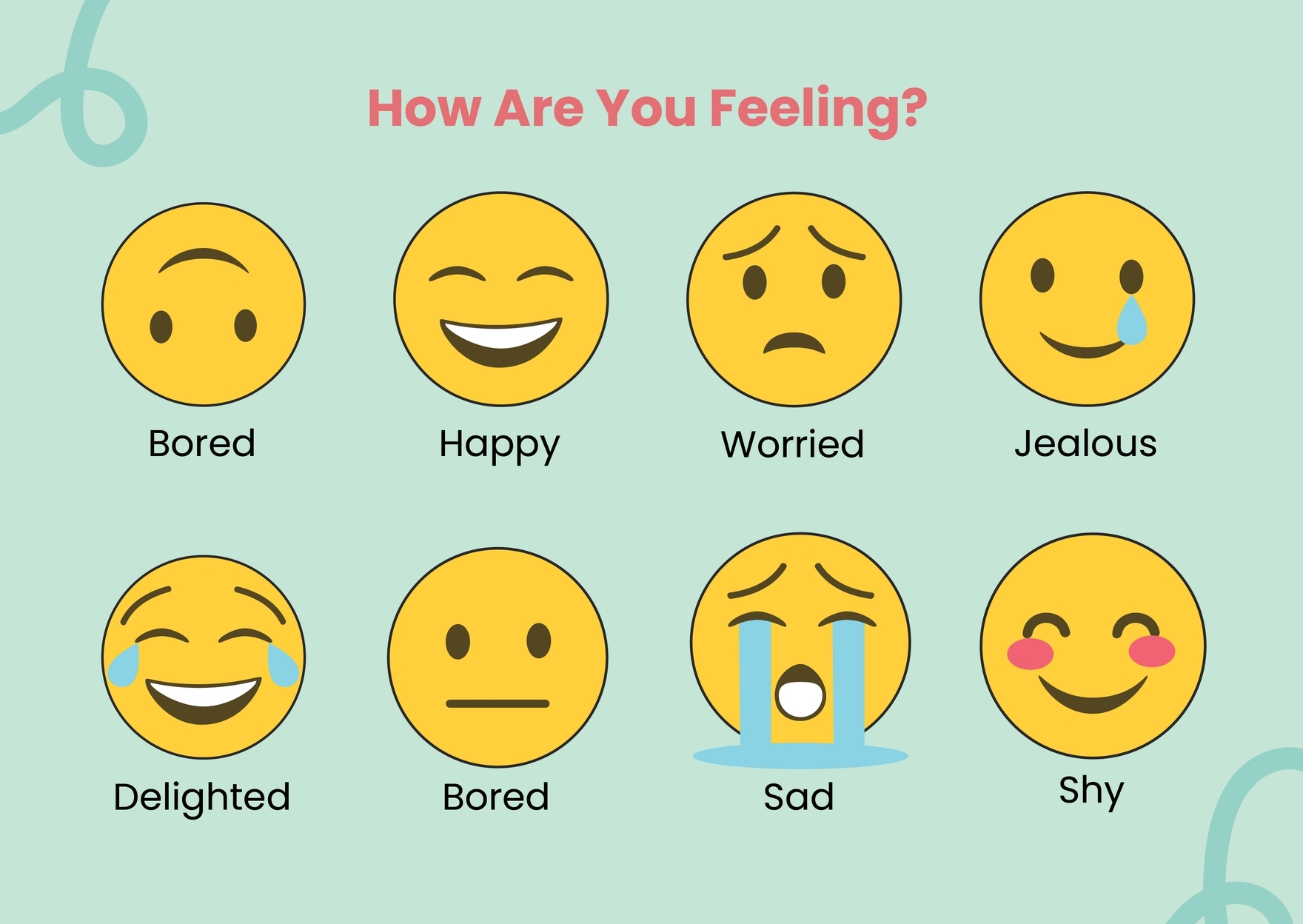
Free Feelings Chart Templates Editable And Printable
Introduction to Emotional Intelligence in Kindergarten
Emotional intelligence in kindergarten is not just about recognizing how one feels but also about understanding why they feel that way and how their feelings might affect others. A printable feelings chart can include a variety of emotions, from happy and sad to angry and surprised, each represented by a different face or color. This visual representation helps children connect their emotional state with a physical expression, making it easier for them to communicate their feelings to others.
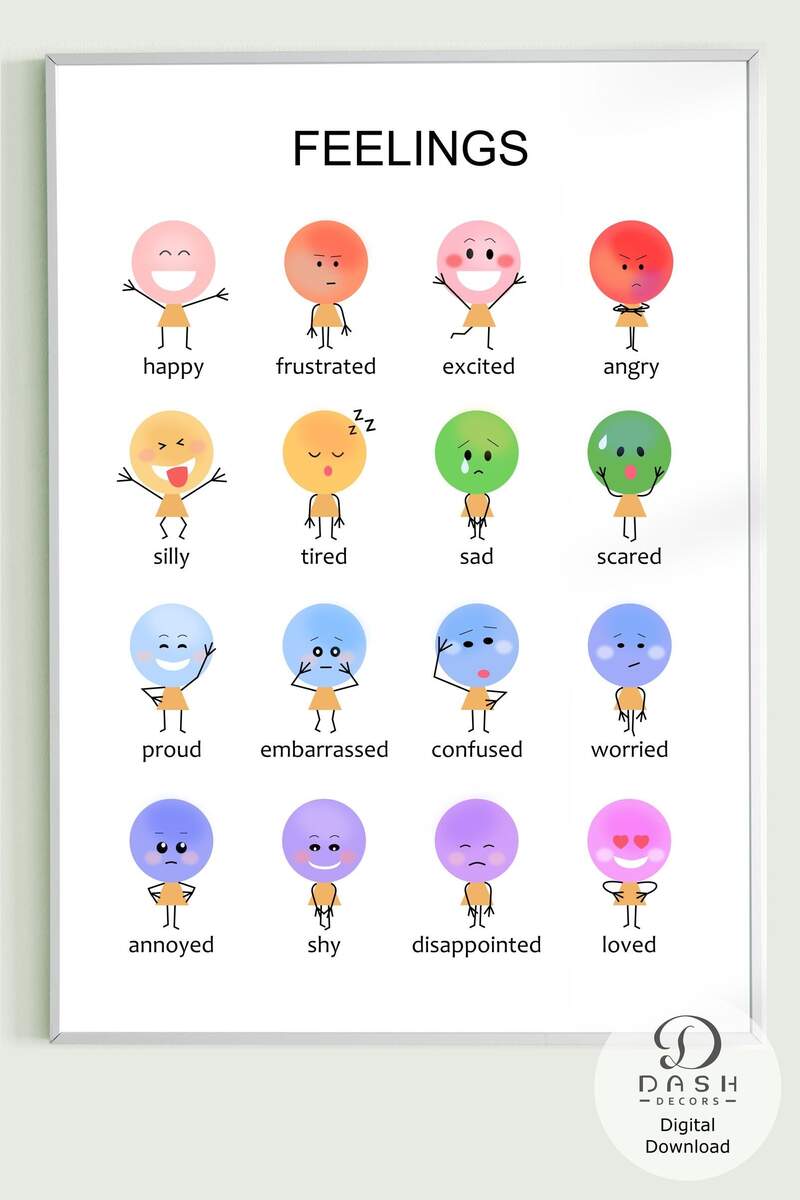
Printable Emotion Chart Poster For Kid And Montessori Preschool Feelings Art Chart Rainbow Emotion Designs Feelings Chart Kid Printable Etsy
Benefits of Using a Printable Feelings Chart
The benefits of using a printable feelings chart are multifaceted. Not only does it provide children with a vocabulary to express their emotions, but it also helps them develop empathy by understanding that others can feel differently. This tool can be particularly useful in conflict resolution, teaching children to recognize and respect the feelings of their peers. Moreover, it encourages self-regulation, as children learn to identify and manage their emotions in a healthy way, reducing instances of emotional outbursts and improving overall classroom behavior.
How to Implement a Feelings Chart in the Classroom
Implementing a feelings chart in the classroom requires a thoughtful and consistent approach. Educators can start by introducing the chart during circle time or group activities, using it to discuss how characters in stories might feel or how the children themselves are feeling that day. It’s also beneficial to display the chart prominently in the classroom, allowing children to refer to it throughout the day. By incorporating the feelings chart into daily routines and making it a part of the classroom culture, educators can create an environment that is supportive, empathetic, and conducive to emotional learning.
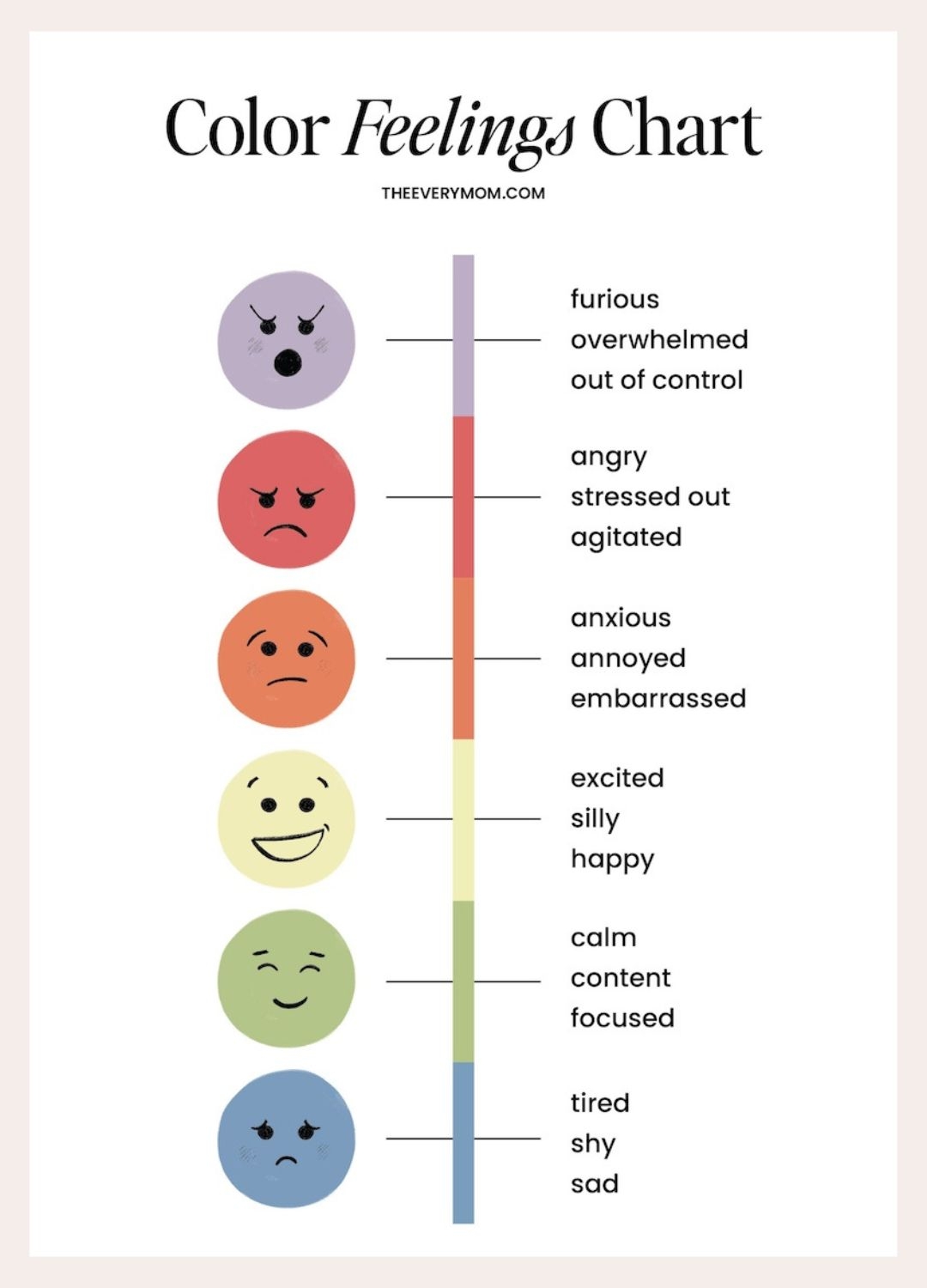
How Using An Emotions Chart Helped My Toddler And Me
As educators and parents, providing children with the tools they need to navigate their emotional landscape is one of the most significant gifts we can offer. A printable feelings chart for kindergarten is more than just a teaching aid; it’s a stepping stone towards raising emotionally intelligent, compassionate, and well-adjusted individuals. By embracing this simple yet powerful tool, we can empower the next generation with the skills to thrive not just academically, but personally and socially as well.
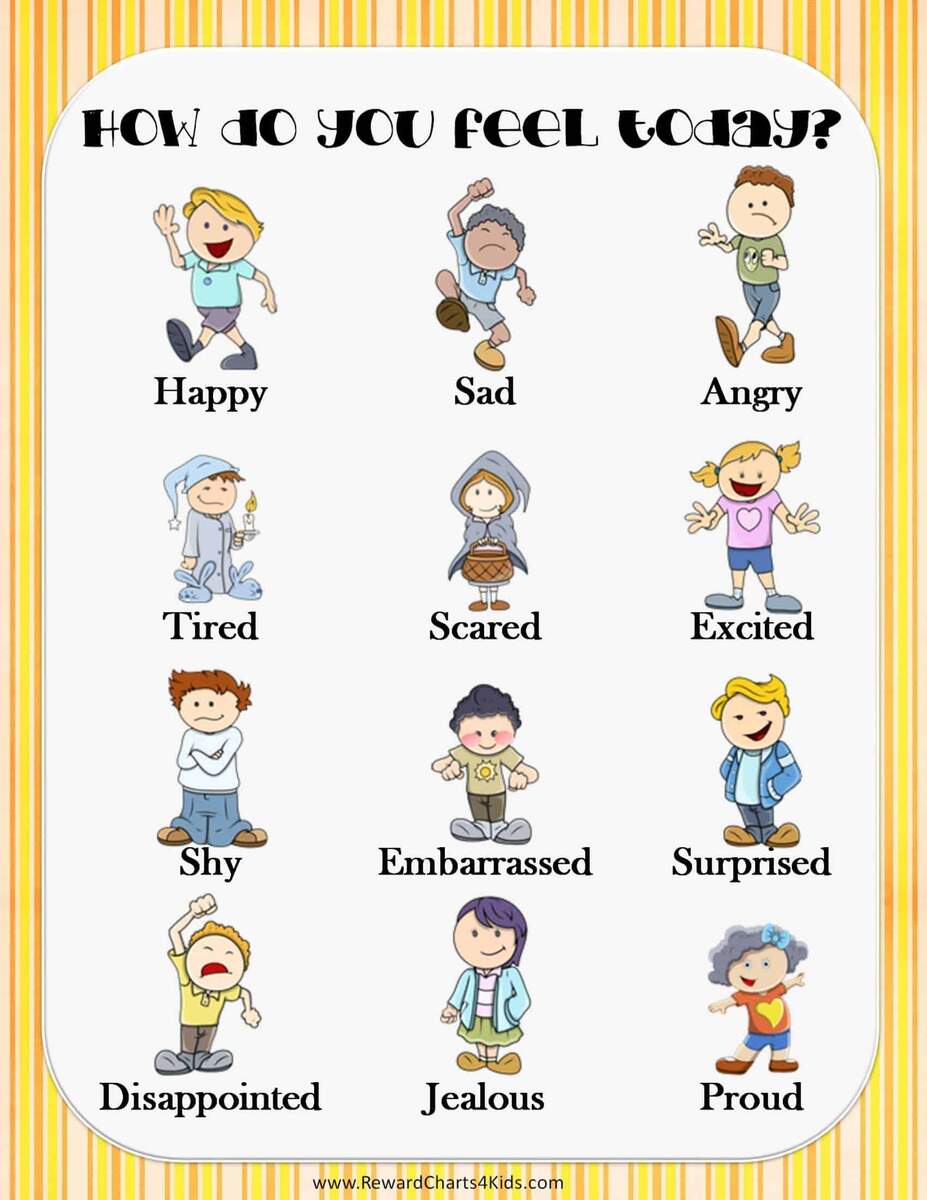
FREE Feeling Chart For Kindergarteners With Photos
Printable Feelings Chart For Kids PDF Download