As a parent or educator, it’s essential to stay on top of your child’s reading development. One of the most effective ways to do this is by using a reading level chart, such as the Fountas and Pinnell reading level chart. This chart provides a comprehensive framework for assessing and tracking reading progress, from early literacy skills to advanced reading comprehension. By understanding the different reading levels and how they correspond to specific skills and texts, you can provide targeted support and guidance to help your child succeed.
The Fountas and Pinnell reading level chart is a widely used and respected tool in the education community. Developed by Irene Fountas and Gay Su Pinnell, the chart is based on extensive research and provides a detailed and accurate assessment of reading skills. The chart is divided into different levels, each corresponding to a specific range of reading abilities. By using this chart, you can identify areas where your child may need extra support or enrichment, and develop a personalized plan to help them progress.
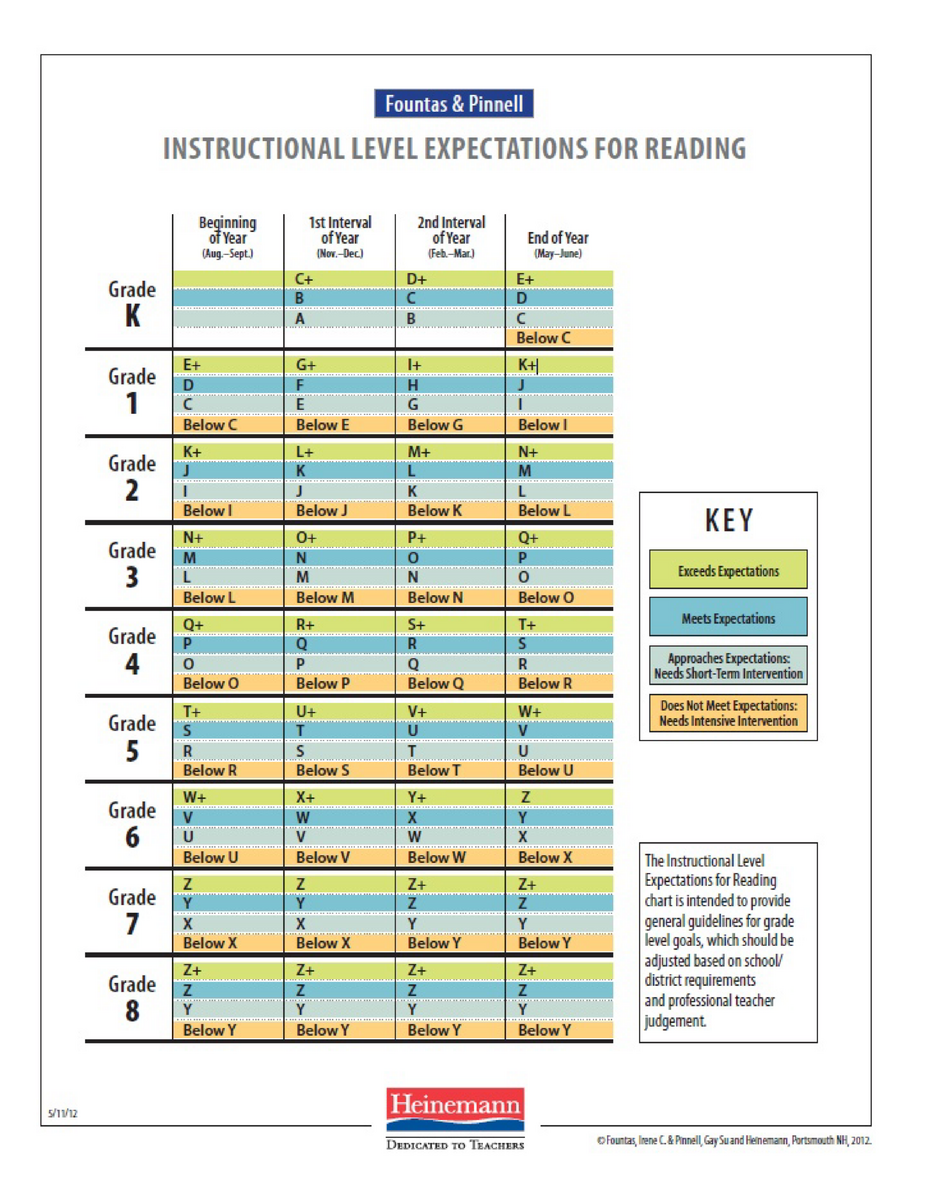
MODULE 1 What Is Guided Reading KNILT
Understanding the Fountas and Pinnell Reading Level System
The Fountas and Pinnell reading level system is based on a gradient of reading levels, from A to Z, with each level representing a specific range of reading abilities. The system takes into account factors such as phonemic awareness, decoding, fluency, and comprehension, providing a comprehensive picture of a child’s reading skills. By understanding the different levels and how they relate to specific texts and skills, you can provide targeted instruction and support to help your child progress through the levels.
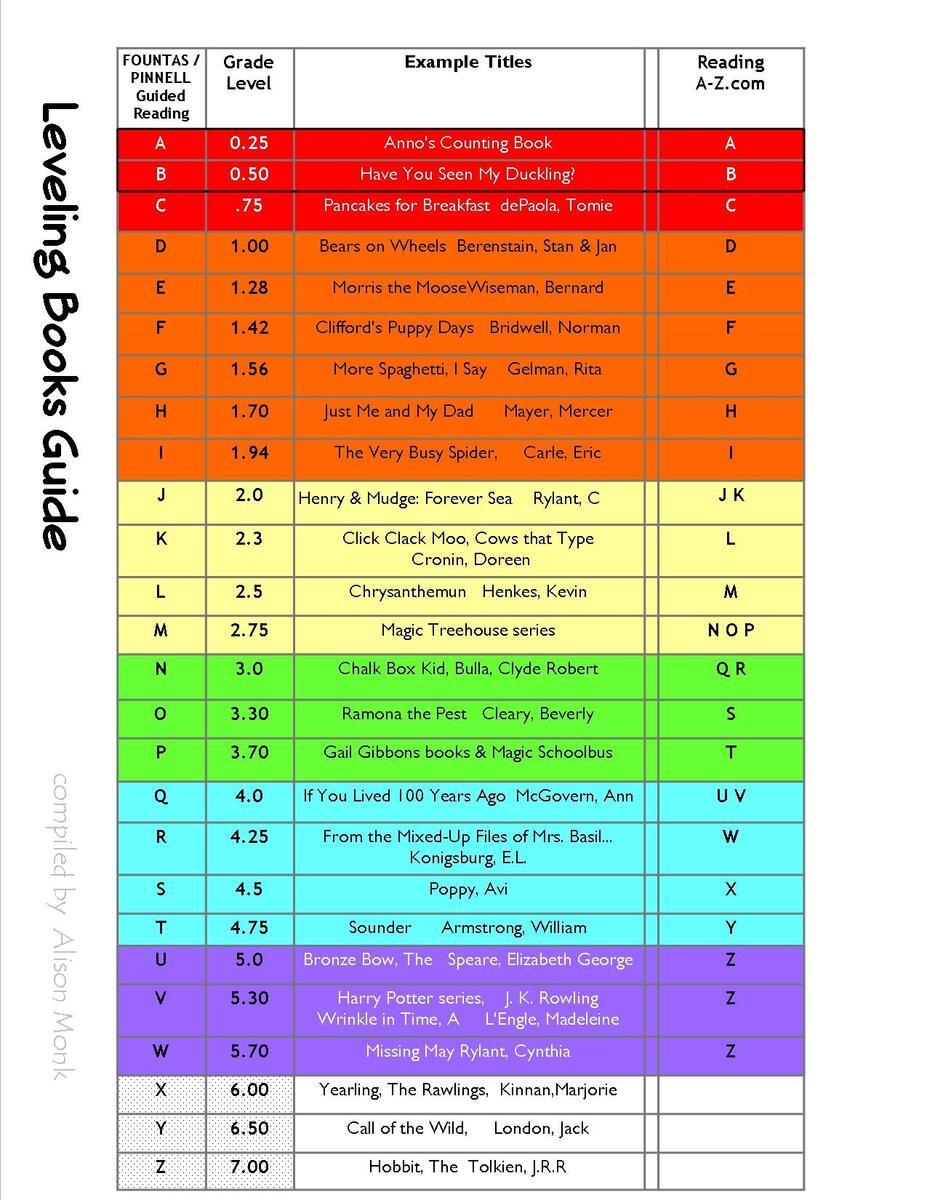
Tips For Matching Readers And Texts The Literacy Garden
Benefits of Using a Printable Fountas and Pinnell Reading Level Chart
Using a printable Fountas and Pinnell reading level chart can have numerous benefits for both parents and educators. For one, it provides a clear and concise way to track progress and identify areas where a child may need extra support. The chart can also be used to set goals and develop a personalized reading plan, helping to ensure that your child stays on track and reaches their full reading potential. Additionally, the chart can be used to communicate with teachers and other educators, providing a common language and framework for discussing reading progress and developing strategies for support.
How to Use the Chart to Track Progress and Set Goals
To get the most out of a printable Fountas and Pinnell reading level chart, it’s essential to use it in conjunction with regular reading assessments and progress monitoring. This can involve administering regular reading tests, observing reading behaviors, and collecting data on reading progress. By using the chart to track progress and identify areas where a child may need extra support, you can develop targeted interventions and strategies to help them overcome challenges and reach their full reading potential. With consistent use and monitoring, the chart can be a powerful tool for helping your child succeed in reading and beyond.
By incorporating a printable Fountas and Pinnell reading level chart into your reading instruction, you can provide your child with a clear and achievable path to reading success. Whether you’re a parent or educator, this chart can be a valuable resource for tracking progress, identifying areas where support is needed, and developing targeted strategies for improvement. With its comprehensive framework and detailed assessment of reading skills, the Fountas and Pinnell reading level chart is an essential tool for anyone looking to help their child unlock their full reading potential.